Kaeng Krachan wildlife guide: gibbons, hornbills and grassland trips
Thailand's largest national park, two ways in and a new ranger-led grassland trip.
On this page
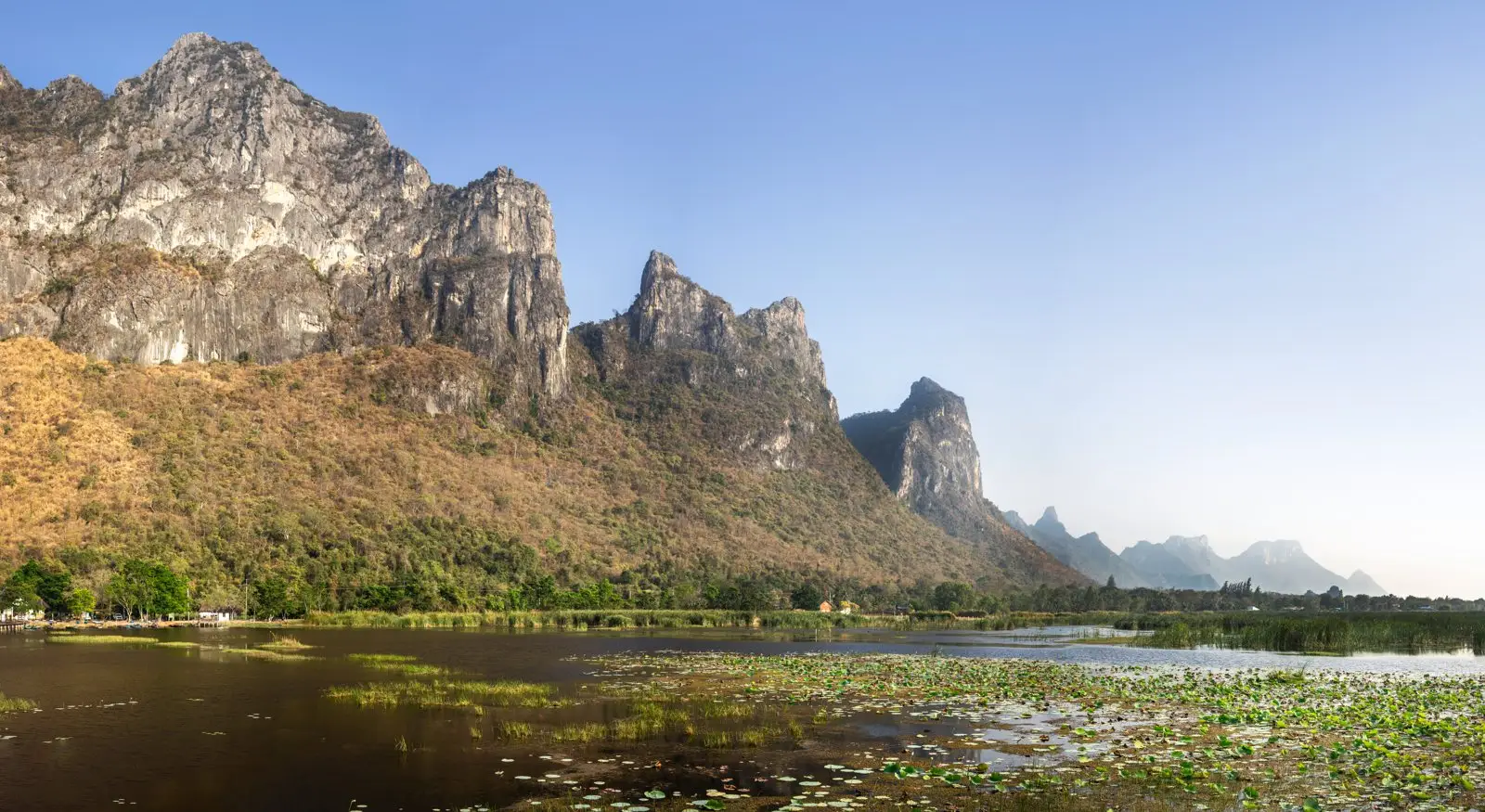
Kaeng Krachan wildlife watching takes you into Thailand’s largest national park, about 200 km south-west of Bangkok in Phetchaburi and Prachuap Khiri Khan. The park reopened its upper road to Phanoen Thung on 1 November 2026, and on the same day began a trial of ranger-led trips to the Huai Khom Krit grassland. The cool and dry months are the main season for gibbons, hornbills and the park’s famous birdlife.
At a glance
| Kaeng Krachan National Park | |
|---|---|
| Where | Phetchaburi and Prachuap Khiri Khan; main gate at the Khao Sam Yot checkpoint, about 19 km west of the headquarters |
| Distance | About 200 km from Bangkok, about 60 km from Phetchaburi town |
| Area | 2,914 square km |
| Sam Yot checkpoint | 05:00 to 17:00 for entry; visitors inside may leave until 19:00 |
| Entry, foreign visitors | 300 baht adults, 150 baht children aged 3 to 14 |
| Entry, Thai visitors | 60 baht adults, 30 baht children |
| Car | 30 baht |
| Camping, own tent | 30 baht a night |
| Visitor centre | 032 772 311 or 091 050 4461 (office hours) |
Phanoen Thung closes every year from 1 August to 31 October, and reopened for the 2026 season on 1 November. Ban Krang camp and Pala-U Waterfall stay open all year.
What lives in Kaeng Krachan
Kaeng Krachan was declared a national park in 1981. In July 2021 the wider Kaeng Krachan Forest Complex, 464,000 hectares across Phetchaburi, Prachuap Khiri Khan and Ratchaburi, became Thailand’s sixth World Heritage site. The TAT names the critically endangered Siamese crocodile, the dhole (Asiatic wild dog) and eight resident cat species, among them the tiger, fishing cat, clouded leopard and marbled cat.
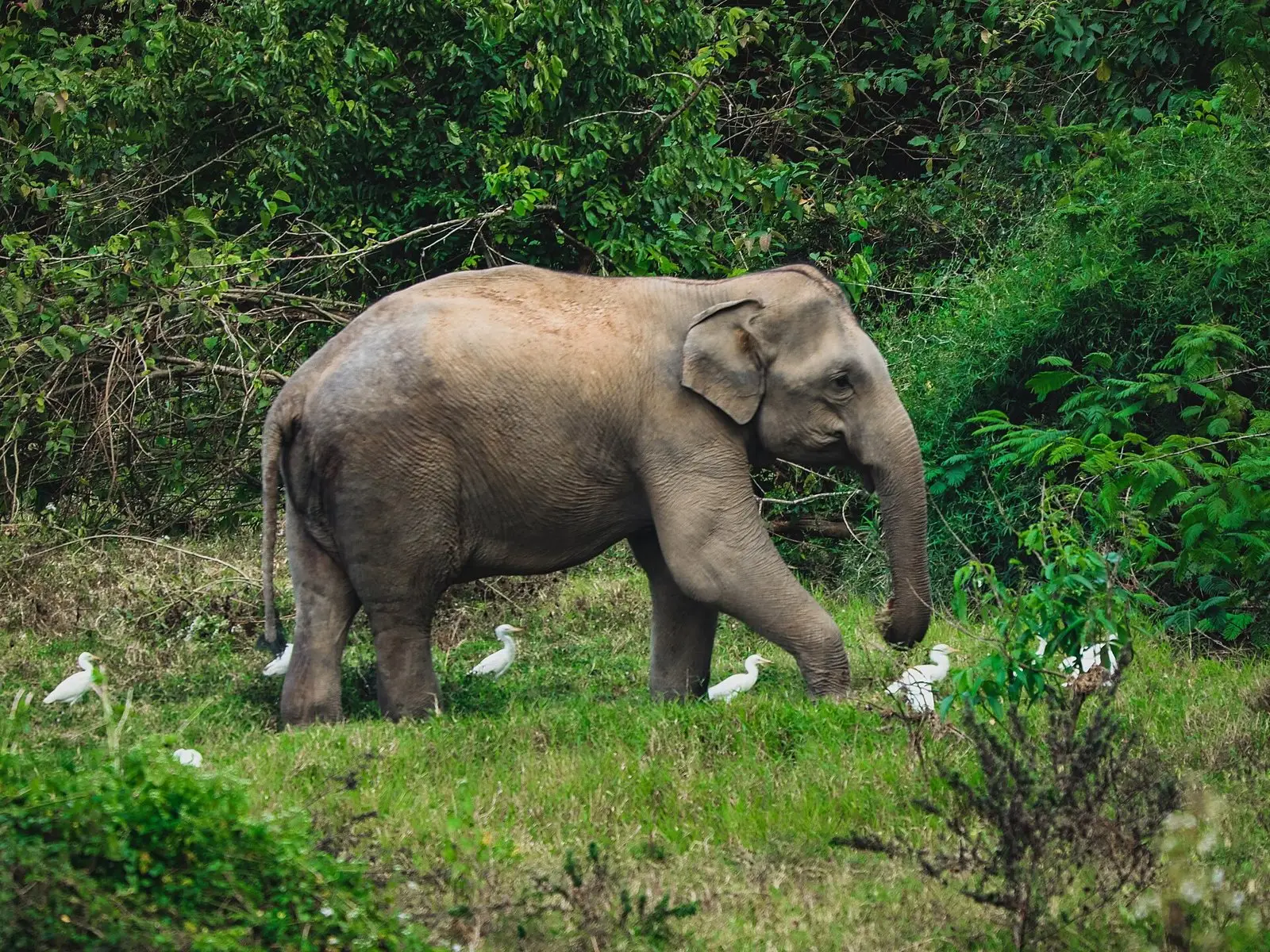
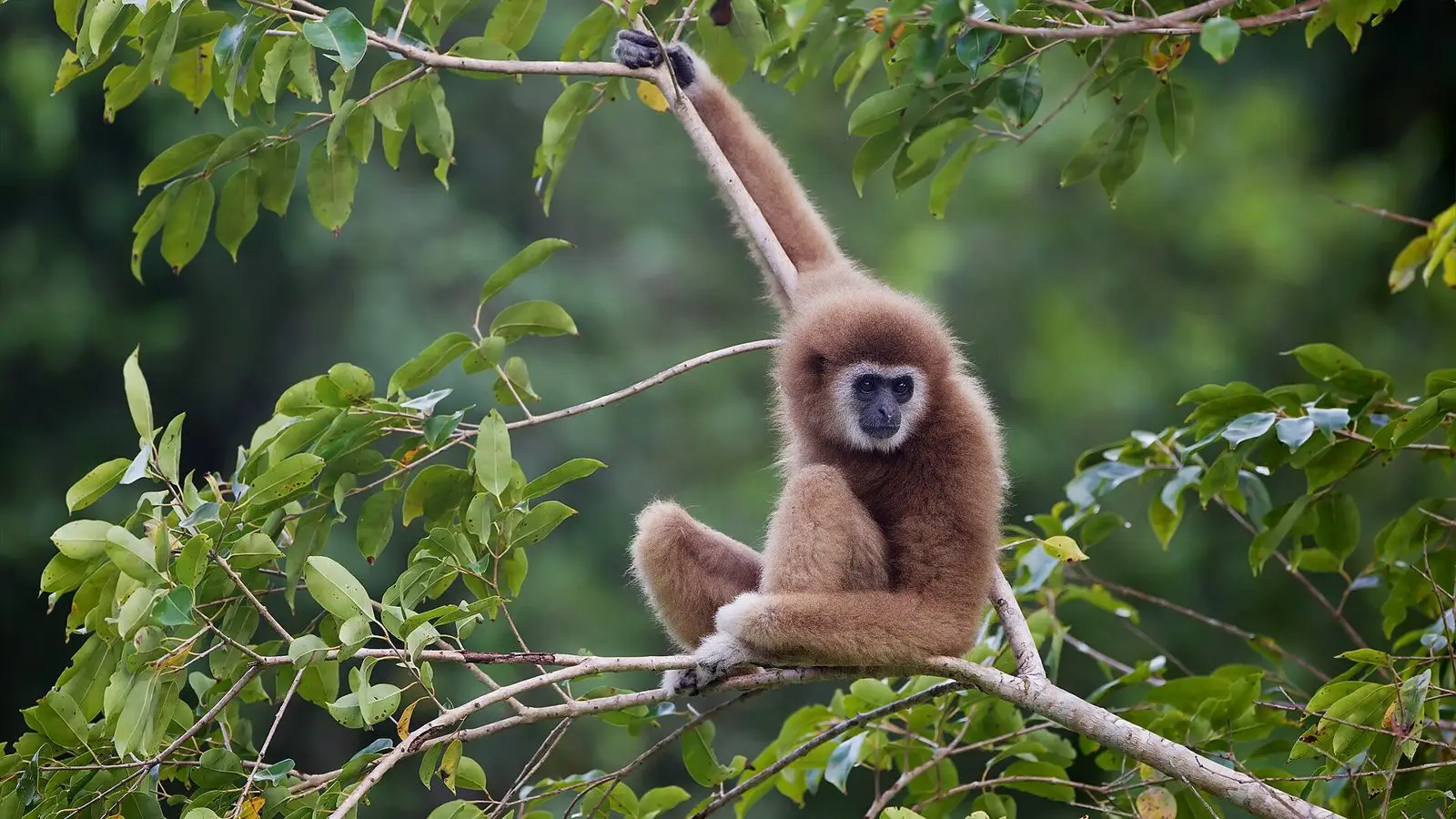
Visitors are far more likely to see the everyday residents. White-handed gibbons, dusky langurs, stump-tailed macaques, mouse deer, porcupines, monitor lizards and black giant squirrels are seen often. Wild elephants are common around Ban Krang, and sambar deer, barking deer, gaur, serow and sun bears also live in the forest.
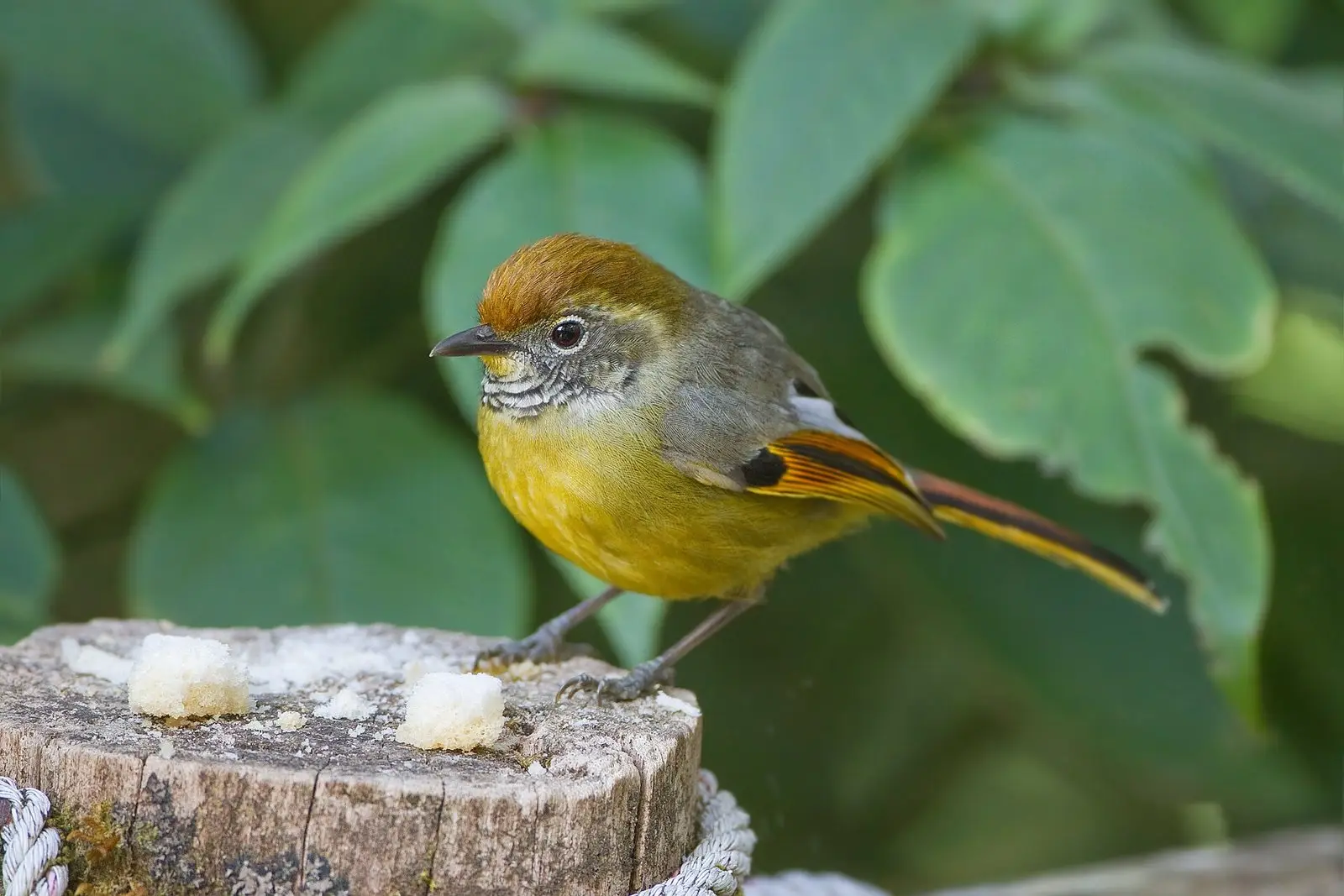
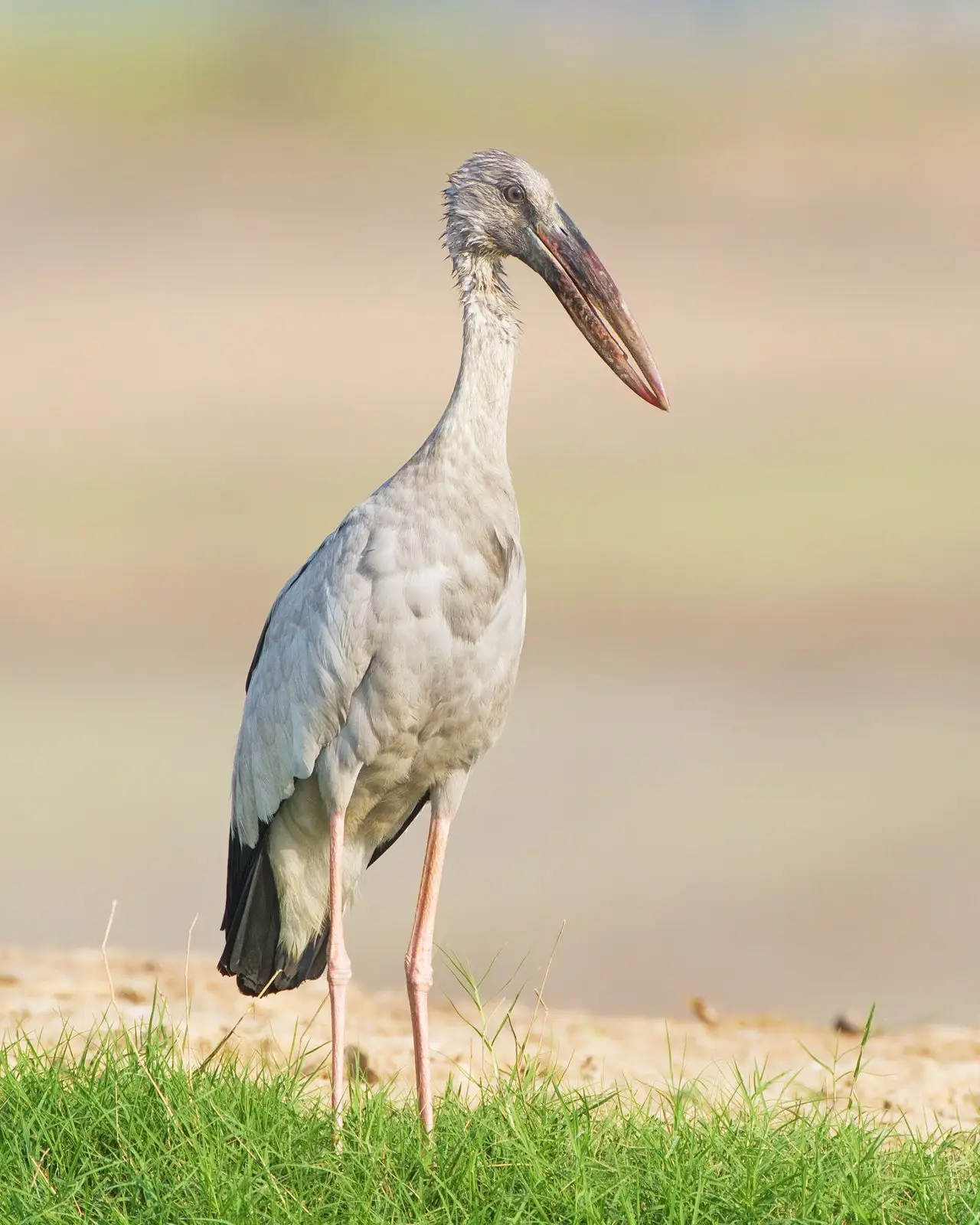
Around 480 bird species have been recorded. All seven of Thailand’s broadbills and seven of its 14 hornbill species have been seen here, and the ratchet-tailed treepie is found in no other Thai park. About 300 butterfly species add colour to the streams.
Ban Krang camp and the lower road
Most wildlife watching happens along the single road from the Sam Yot checkpoint into the forest. Ban Krang camp sits at km 15, about 320 metres up, on a paved road. It has campsites, a restaurant that often closes on weekdays and the visitor centre where the grassland trips start.
Hornbills, including the oriental pied, great and brown hornbill, visit fruiting trees near the Ban Krang restaurant. Broadbills, banded kingfishers and, at dusk, owls are heard around the camp. The stretch from km 15 to km 18 is known for butterflies along the stream crossings.
Elephants are common near Ban Krang. After dark, stay within a couple of hundred metres of the campsite.
Huai Khom Krit grassland trips
The Huai Khom Krit grassland is the park’s new wildlife-viewing trip, run as a study project from 1 November 2026. Park staff drive visitors about 20 km from Ban Krang camp to the grassland, an area the park describes as rich in wildlife, and the project will measure how many visitors it can take without disturbing the animals.
| Huai Khom Krit grassland | |
|---|---|
| Start | Ban Krang camp visitor centre |
| Rounds | 05:00 to 08:00 and 15:00 to 17:00 |
| Group size | Up to 16 visitors in no more than two park vehicles per round |
| Booking | Register in advance in person at the Ban Krang camp visitor centre only |
| Price | To be announced |
| Private vehicles | Not allowed in the project area |
All travel on the route is with park officers. Because places are few and registration is in person, plan to arrive at Ban Krang the day before and ask at the desk.
Phanoen Thung and the upper road
Above Ban Krang, a steep, narrow, single-lane dirt road climbs to the Phanoen Thung camp at km 30, about 950 metres up. Only four-wheel-drive vehicles in good condition may use it; saloon cars, vans and two-wheel-drive pickups are turned back. Visitors without one can hire a vehicle from local community groups at the visitor centre.
| Direction | Morning | Afternoon |
|---|---|---|
| Up from Ban Krang | 05:30 to 07:30 | 13:00 to 15:00 |
| Down from Phanoen Thung | 09:00 to 10:00 | 16:00 to 17:00 |
The park caps daily numbers, so reserve on 091 050 4461 or 032 772 311 in office hours. The km 30 viewpoint is known for its sea of mist, and this season a new viewpoint at km 36 looks over the Tenasserim range.
Kaeng Krachan birdwatching
Kaeng Krachan birdwatching is at its peak in March and April, when migration into the park is strongest, and stays good until June or July. Birds gather at fruiting trees, so a tree in fruit near Ban Krang or Phanoen Thung can hold hornbills all morning.
The upper road is where the rarer species turn up. Ratchet-tailed treepies, silver orioles, red-headed trogons and long-tailed broadbills are found around km 27.5, wreathed hornbills west of the Phanoen Thung camp, and eagles over the open ridge near km 36.5. Grey peacock-pheasants, kalij pheasants and red junglefowl feed by the road on the way up.
Keep well back from hornbill nests, which are easily disturbed. For a first try closer to home, see our birdwatching in Bangkok guide.
If you meet elephants
Wild elephants use the park roads. The TAT’s advice for drivers is to stop at least 30 metres away, keep the engine running, and not honk, shout or use flash. At night, use low beams, and do not stop to watch or photograph, which can cause queues and accidents.
Tell park staff when elephants are on the road. Flapping ears and a swaying tail mean a relaxed elephant; stiff, spread ears, a raised tail or a still trunk mean you should leave. On foot, do not follow elephants, store food securely and camp only in the marked areas.
Getting there from Bangkok
There is no public transport into the central park, and it cannot be entered on foot, by bicycle or by motorbike. Minivans run from Bangkok and Phetchaburi to Kaeng Krachan town, where hotels can arrange transfers into the park.
By car, the main gate is the Khao Sam Yot checkpoint, about 19 km west of the park headquarters by the reservoir. Pala-U Waterfall, on the park’s south-western edge, is reached separately by route 3219 and can be visited by any car. It is an easy add-on to a stay in Hua Hin; see our Hua Hin with kids guide.
More animals near Bangkok
For elephants and gibbons on the other side of the city, read our Khao Yai wildlife watching guide. Families planning a night under canvas can compare campsites in our camping near Bangkok guide, or browse the Animals section.
Sources
- Thai PBS: Kaeng Krachan opens Huai Khom Krit grassland wildlife viewing (Thai, 5 November 2026)
- Bangkok Biz News: Huai Khom Krit wildlife-viewing rounds, times and registration (Thai)
- The Nation: Khao Phanoen Thung reopens 1 November with two daily uphill windows
- Bangkok Biz News: Kaeng Krachan opens Phanoen Thung for the 2026 season (Thai)
- Daily News: Phanoen Thung season opens, new km 36 viewpoint (Thai)
- TAT Newsroom: Kaeng Krachan Forest Complex added to the World Heritage List
- Thai National Parks: Kaeng Krachan National Park, fees, hours and wildlife
- Thai National Parks: birdwatching in Kaeng Krachan
- TAT Newsroom: safety guidelines for encountering wild elephants