Doi Inthanon birdwatching: winter thrushes, Ang Ka and best trails
Thailand's highest mountain and its richest park for birds, at its best from December.
On this page
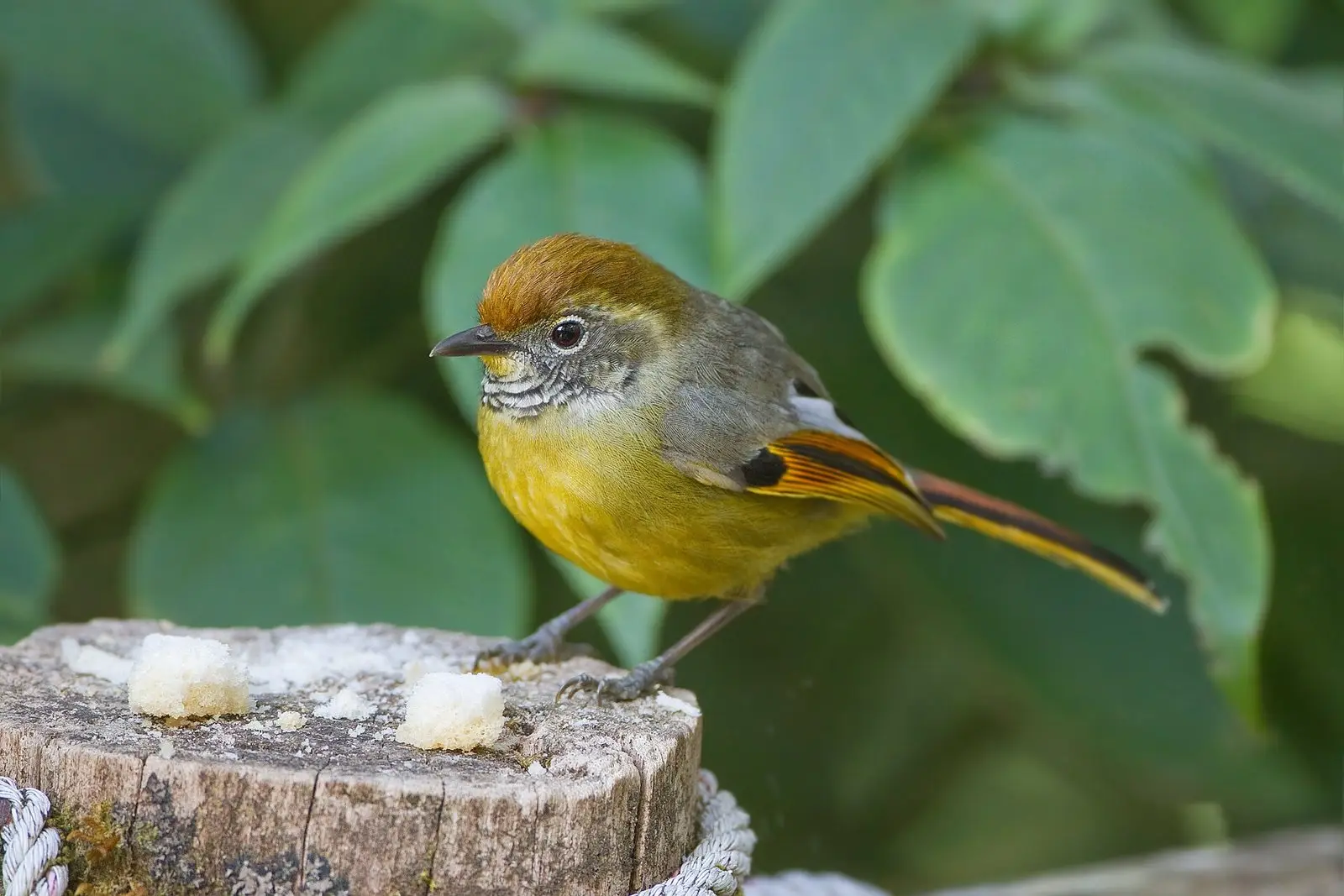
Doi Inthanon birdwatching is at its best from December to February, when thrushes and leaf warblers from further north join the mountain’s resident birds in Chiang Mai province, about 70 km south-west of Chiang Mai city. At 2,565 metres, Doi Inthanon is Thailand’s highest mountain, and Thai National Parks lists more bird species in its national park than in any other in the country. The cool season has begun: on 14 November 2026 the park recorded a low of 9°C at the summit.
At a glance
| Doi Inthanon National Park | |
|---|---|
| Where | Chom Thong district, Chiang Mai province; main checkpoint at km 8 on Road 1009 |
| Distance | About 70 km from Chiang Mai city, 1.5 to 2 hours by car |
| Height | 800 to 2,565 metres; the summit is at km 48 |
| Birds recorded | 511 species on the Thai National Parks list |
| Best for migrants | December and January; the cool season runs from November to February |
| Entry, foreign visitors | 300 baht adults, 150 baht children aged 3 to 14 (rates as of June 2022) |
| Entry, Thai visitors | 60 baht adults, 30 baht children |
| Vehicles | 30 baht a car, 20 baht a motorbike |
| Visitor centre | 053 286 729, open daily 08:00 to 16:00 |
Thaibirding.com notes that since November 2022 an entry ticket has been valid for three days, which helps if you plan two dawns on the mountain.
Why Doi Inthanon is special for birds
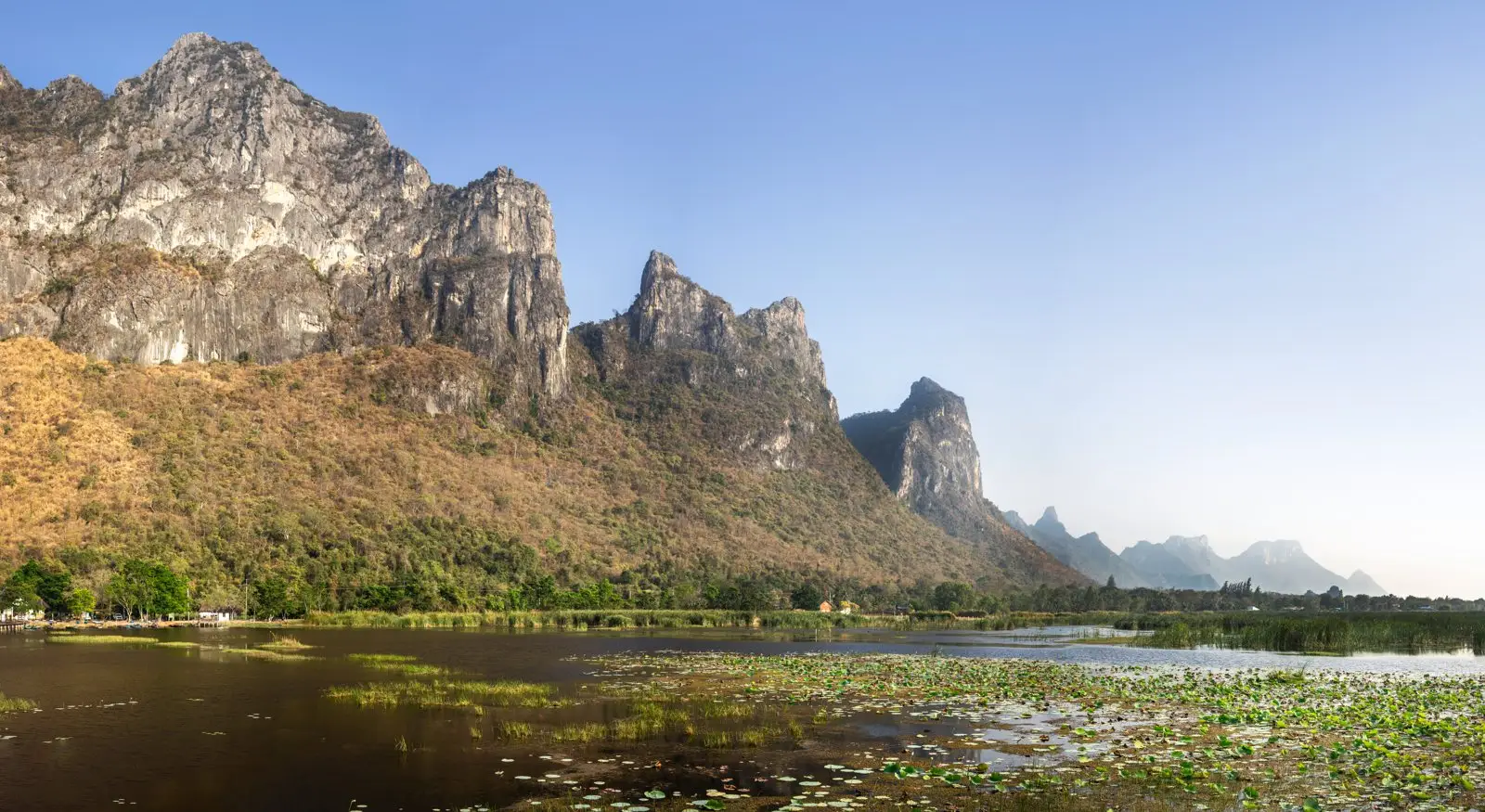
The park covers 482 square km and climbs from lowland teak and dipterocarp forest to cloud forest and sphagnum bog above 1,800 metres. Each band of height has its own birds, so a single day can take you from parakeets in the foothills to Himalayan species at the top.
Thai National Parks counts 511 bird species, the highest total of any Thai national park on its records. Some birds have been recorded in Thailand only on this mountain, among them the ashy-throated warbler, the dark-breasted rosefinch and the collared grosbeak.
When to go: winter migrants and spring song
December and January are the peak for migrants, according to Thaibirding.com. Dark-sided thrushes are a speciality near the summit, eyebrowed thrushes are the most regular, and grey-sided thrushes turn up every year. Buff-barred and yellow-browed warblers are common migrants in the summit forest, and thrushes stay from December to April.
February to April is the second good window, when resident birds start to sing for the breeding season. The green cochoa, one of the mountain’s most wanted birds, is best looked for from March to July.
Winter mornings are cold. Mid-November to early February brings near-freezing nights at the top, and weekends and holidays bring heavy traffic, so go on a weekday if you can.
The summit and the Ang Ka nature trail
The Ang Ka nature trail is a short circular boardwalk near the summit car park, through mossy cloud forest that stays green all year. It is the place for the ashy-throated warbler, the silver-eared laughingthrush, the chestnut-tailed minla and the green-tailed sunbird.
Three shy birds live on the forest floor here: the Himalayan shortwing, the pygmy cupwing and the rufous-throated partridge. Birdingplaces says they are always present but not always easy to see, so walk slowly and wait at the quieter corners. There is a café by the summit trailhead, where squirrels and birds come close to people.
Kew Mae Pan trail
The Kew Mae Pan trail is a loop of about 3 km on the ridge below the summit, through cloud forest and open grassland with views to the west. It is closed every year from 1 June to 31 October to let the forest recover, and reopens on 1 November.
Walkers must go with a local Hmong guide, hired at the trailhead; Thai National Parks gives the fee as 220 baht. The trail is mainly known for views and sunrise, and Chinese gorals live along it, though sightings are rare.
The km 37.5 track and the mid-mountain forest
Lower down, the jeep track at km 37.5 and the trails around km 34.5 run through hill evergreen forest that Birdingplaces calls the most varied on the mountain. Look for slaty-bellied tesias, Hume’s treecreepers, large niltavas, long-tailed broadbills and, with luck, the green cochoa.
Here birding is mostly by ear. Thaibirding.com’s guide says finding birds depends almost entirely on listening for calls. The km 34.5 track gets slippery after rain, and Hume’s leaf warblers winter in its pines.
Waterfalls and the lower slopes
Wachirathan Waterfall is the classic stop for river birds: plumbeous water redstarts, slaty-backed forktails, blue whistling thrushes, grey wagtails and sometimes the white-capped redstart. Mae Klang Falls, near the entrance, has greater racket-tailed drongos and banded kingfishers.
Around km 13, the drier lower forest holds black-headed woodpeckers, collared falconets and black bazas. It gets hot and quiet from about 09:30, so come early or in the last hour before dusk.
Getting there and staying
Driving is the practical choice. From Chiang Mai, take Highway 108 south-west to Chom Thong, then Road 1009 into the park; the headquarters is 22 km beyond the checkpoint. Songthaews run to Chom Thong, but the birding sites are far apart, so a hired car or driver saves hours.
The campsite near the headquarters is open from 1 October to 15 February, at 30 baht a person a night, with tents for hire. Park bungalows cost about 1,000 to 6,500 baht a night. Thai National Parks reports that the national parks’ online booking system has been down this season, so ask the visitor centre how to book.
Planning your visit
- When: weekdays from December to February for migrants; arrive at first light.
- What to bring: binoculars, warm layers, a hat, water and a field guide or app.
- How to behave: stay on trails and boardwalks, keep your voice down and leave nests alone. We advise keeping recorded bird calls switched off.
- Before you go: call the visitor centre on 053 286 729 to check fees and trail openings; the fees above are the latest published and may have changed.
For more of the city, our Chiang Mai with kids guide covers the trains and the Night Safari, and the Chiang Mai Zoo guide has tickets and feeding times. Closer to the capital, see birdwatching in Bangkok and the Bueng Boraphet birdwatching guide. More stories are in our animals section.
Sources
- Thai National Parks: Doi Inthanon National Park, fees, trails, camping and wildlife
- Thai National Parks: Doi Inthanon species list (511 bird species)
- Thaibirding.com: Doi Inthanon site guide, seasons, key sites and species
- Birdingplaces: Doi Inthanon, best season, sites and notable species
- Bangkok Biz News: Doi Inthanon summit and Kew Mae Pan at 9°C, 14 November 2026 (Thai)
- Thairath: Kew Mae Pan nature trail reopens after its five-month closure (Thai, 1 November 2024)