Bueng Boraphet birdwatching guide: winter ducks, boats and lilies
A great lake 240 km north of Bangkok, at its best from December to February.
On this page
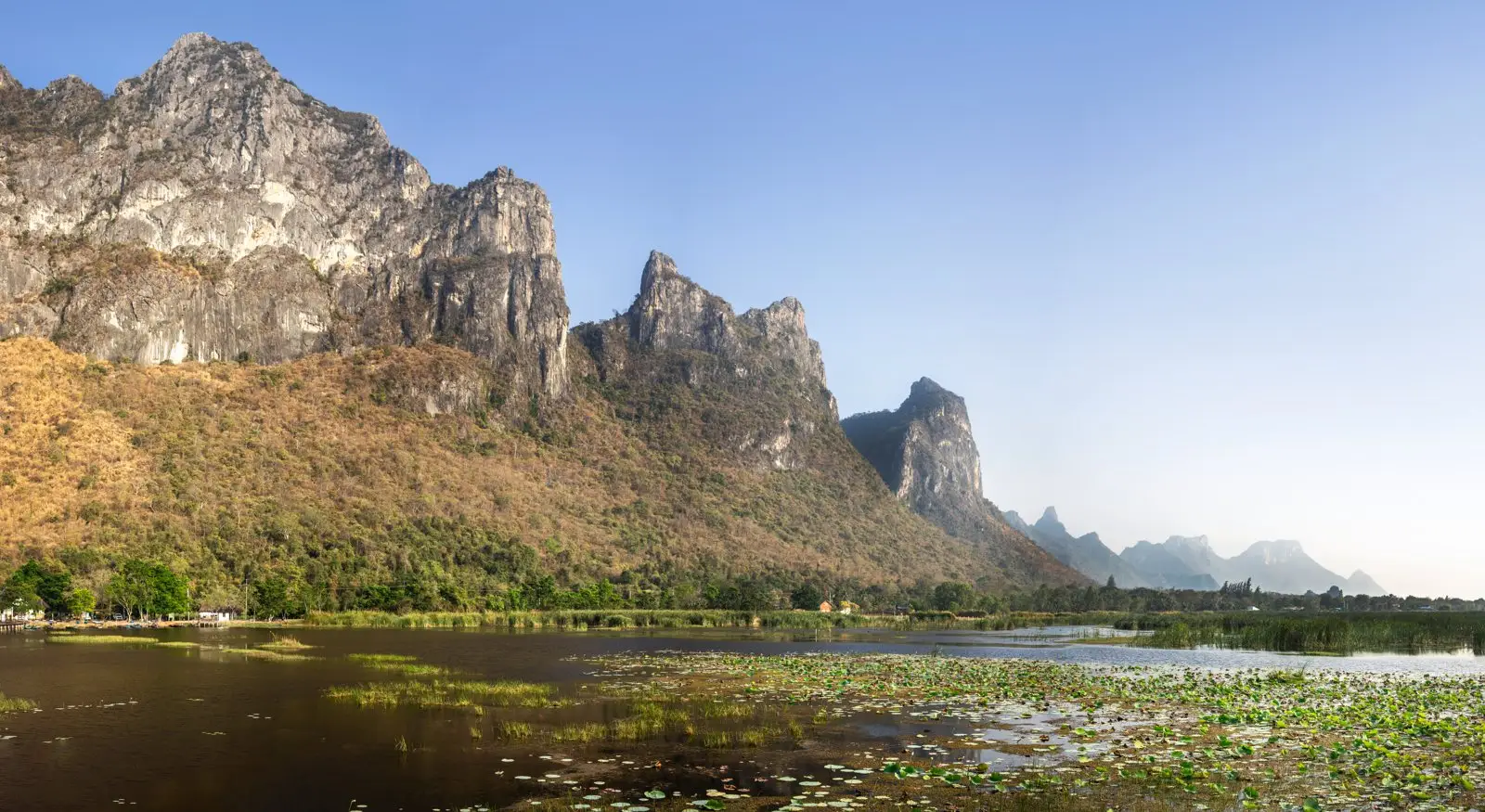
Bueng Boraphet birdwatching is at its best from December to February, when wintering ducks join the herons, jacanas and storks on this great freshwater lake in Nakhon Sawan, about 240 km north of Bangkok. The easiest way in is the Waterbird Park on the southern shore, with boardwalks, trails and boats for hire. Most of the lake is a protected non-hunting area, so this is wildlife watching in the wild, with nothing to feed and no shows.
At a glance
| Bueng Boraphet | |
|---|---|
| Where | East of Nakhon Sawan city, Nakhon Sawan province |
| Distance | About 240 km from Bangkok, 2.5 to 3 hours by car |
| Main visitor spot | Waterbird Park (Nok Nam Park), about 20 km east of town |
| Size | About 224 square km; 106 square km declared a non-hunting area in 1975 |
| Best for birds | December to early March for wintering ducks |
| Water lilies | December to February, open from sunrise to before midday |
| Boats | Reported at 500 to 600 baht per hour per boat (2019 and 2022 rates) |
| Opening hours | To be announced; check with the office before travelling |
| Office | Bueng Boraphet non-hunting area office, 056 009 717 |
What Bueng Boraphet is
The lake sits south of the Nan River, close to where it meets the Ping to form the Chao Phraya. It was a wide swamp until 1930, when a dam was built to raise the water for fishing. In 1975, 106 square km of it became a non-hunting area under the Department of National Parks, Wildlife and Plant Conservation, and in 2000 the Thai government listed it as a wetland of international importance.
Thai PBS World calls it Thailand’s largest freshwater wetland. The Nation counts more than 200 species of wild animals, birds and plants around the lake.
Which birds you can see
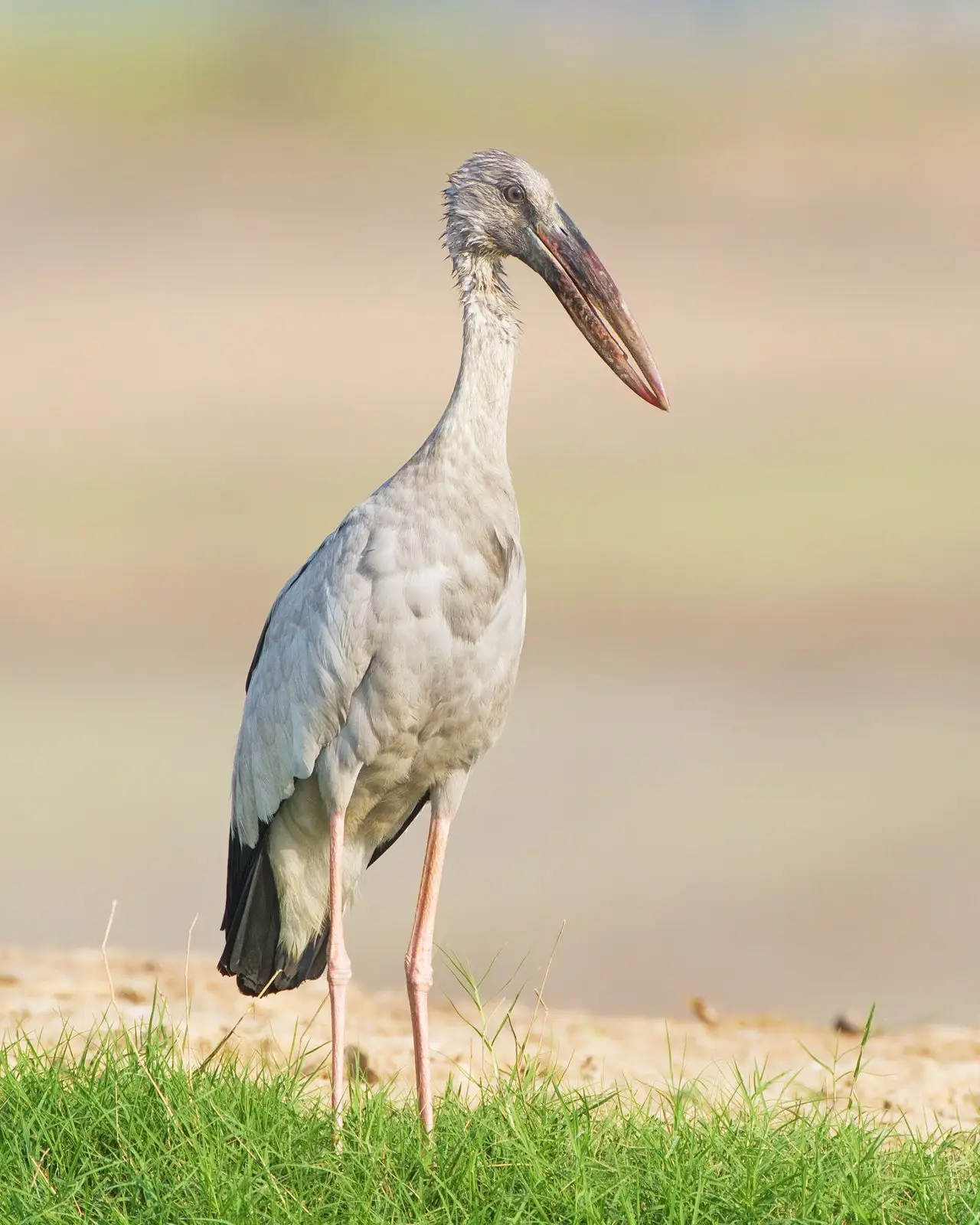
Resident birds are there all year. Look for grey-headed swamphens, pheasant-tailed and bronze-winged jacanas, Asian openbills, oriental darters, purple herons and pied kingfishers, with spot-billed pelicans outside their breeding season. Asian golden, streaked and baya weavers nest in the reeds.
The cool season brings the migrants. Ducks arrive in early December, and large flocks of garganey stay until early March, with northern pintails, northern shovelers and ferruginous ducks among them. In December 2019 The Nation reported red-crested pochards and Indian spot-billed ducks on the lake. Siberian rubythroats skulk in the scrub from mid-November to mid-March, best seen early or late in the day.
The lake also has a place in bird history. It is the only known site of the white-eyed river martin, which wintered here and has not been confirmed since around 1980. The marsh grassbird, a near-threatened species, was recorded in Thailand for the first time at Bueng Boraphet in December 2019.
The Waterbird Park, boardwalk and towers
The Waterbird Park on the southern shore is where most visitors start. It has about 3.5 km of boardwalks and trails, including a loop, all easy walking. The nature trail is good for warblers and bee-eaters, and the boardwalk runs out to the lakeside waterbirds.
Two viewing towers stand over the marsh, but birders’ guides note that they are far from the birds. Bring binoculars, and a telescope if you have one. The park has parking at the entrance and kiosks selling snacks and simple meals.
Bueng Boraphet boat trips
A boat is the only way to get close to the ducks and most of the waterbirds. Boats are arranged at the kiosks near the toilets at the Waterbird Park, and trips run on flat-bottomed boats with a canopy. The Nation reported 500 baht per hour for a boat for 10 people in 2019, and from 600 baht per hour for a 12-seater in 2022; the current rate is to be announced, so confirm it before you set off.
Smaller, colourful long-tail boats leave from Ban Rang Bua, a waterfront community about 30 minutes east of the town centre, and suit couples or solo travellers. Ask the boatman to keep well back from resting flocks: The Nation’s birdwatching report advised watching from a distance with a telescope, because the ducks scare easily.
Bueng Boraphet water lilies and lotuses
From December to February, pink water lilies cover parts of the lake. They open shortly after sunrise and close again before midday, so Thai PBS World suggests boats between 06:00 and 11:00. A morning trip can combine the lilies and the birds.
Pink lotuses bloom earlier. In 2022 they began flowering in early November across more than 100 rai, and sanctuary staff expected them at their fullest in early December.
Crocodiles and safety
Freshwater crocodiles live in the lake. In June 2022, staff of the non-hunting area found a nest of an estimated 8 to 12 eggs on a grassy mound beneath the boardwalk on the nature trail, and they watched the nest while helping visitors stay safe.
Stay on the boardwalks and trails, keep away from the water’s edge and follow any signs from the staff. Keep food packed away too: birders report that jungle crows take anything left unattended in the car park.
Getting there
By car, take the right turn about 1 km before Nakhon Sawan signposted to Tha Tako, follow Highway 3001 for 14 km, then turn north at the Waterbird Park sign for 3 km. Buses from Mo Chit take about three hours to Nakhon Sawan.
Without a car, hire a tuk-tuk or songthaew in Nakhon Sawan for the 20 km to the park, and agree on the ride back, as transport at the lake is limited. Food at the park is mostly lunch, so for a dawn start buy supplies in town the day before.
Planning your visit
- When: December to February for ducks and water lilies; arrive at first light.
- What to bring: binoculars, a hat, water, insect repellent and a bird guide or app.
- How to behave: no feeding, no calling birds with recorded songs, and no chasing flocks with boats.
- Before you go: call the office on 056 009 717 to check opening hours and boat rates.
Closer to the city, our birdwatching in Bangkok guide covers Bang Pu’s gulls and the Pak Thale shorebirds. Another great wetland is in our Khao Sam Roi Yot wildlife guide, and the mangrove forests near Bangkok make an easier half-day. More stories are in our animals section.
Sources
- Thai PBS World: A slow morning on Thailand's pinkest lake (18 January 2026)
- The Nation: Tourists flock to Bueng Boraphet to catch a sea of beautiful lotuses (16 November 2022)
- The Nation: Birdwatching is back in vogue in Bueng Boraphet (22 December 2019)
- ONEP: freshwater crocodile nest found beside the Bueng Boraphet boardwalk, 23 June 2022 (Thai)
- Thaibirding.com: Bueng Boraphet site guide, species, seasons and access
- Birdingplaces: Bueng Boraphet Waterbird Park, trails, towers and boats
- Wikipedia: Bueng Boraphet, area, history and protection
Related stories