Kui Buri wild elephants: safari trucks, fees and best times
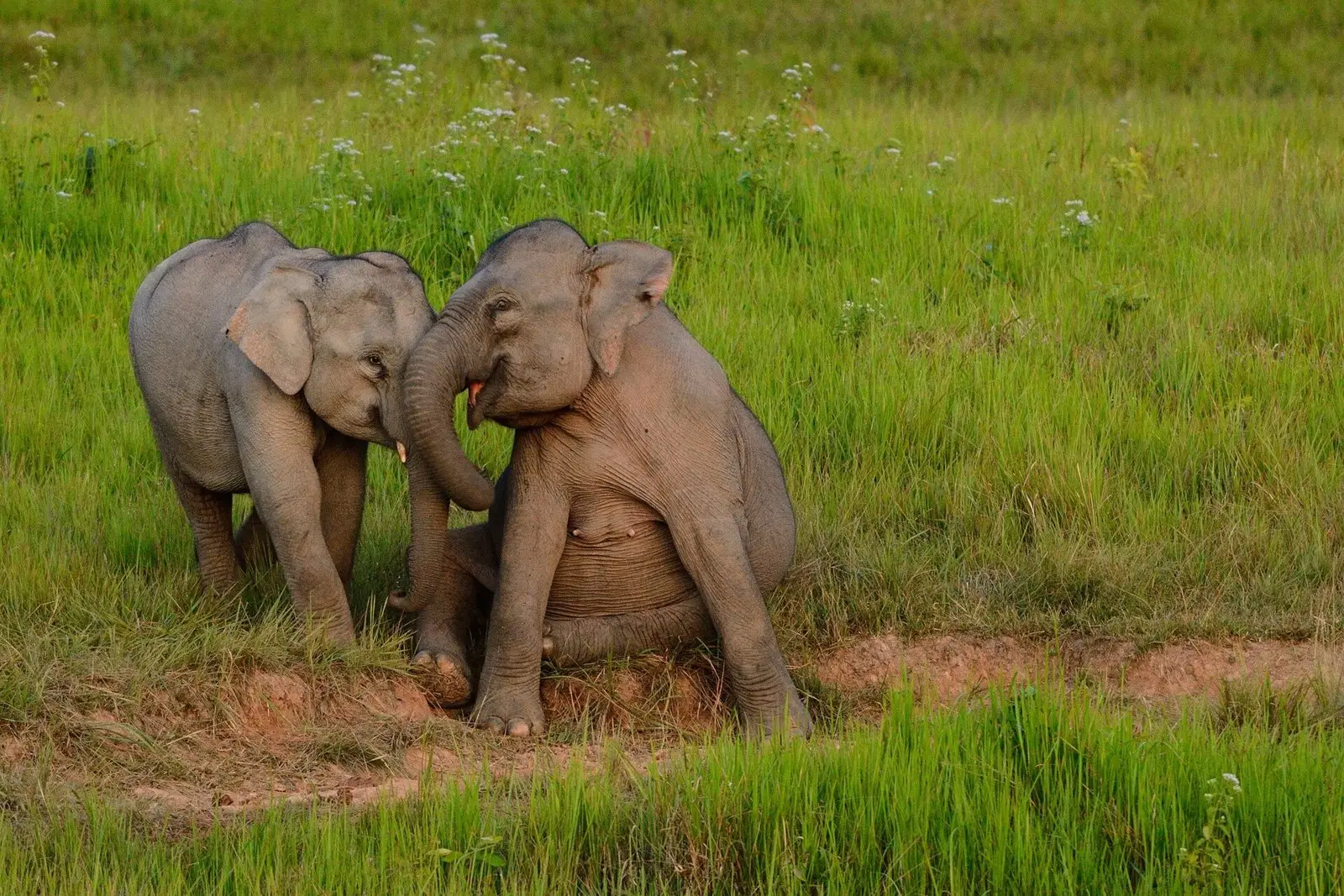
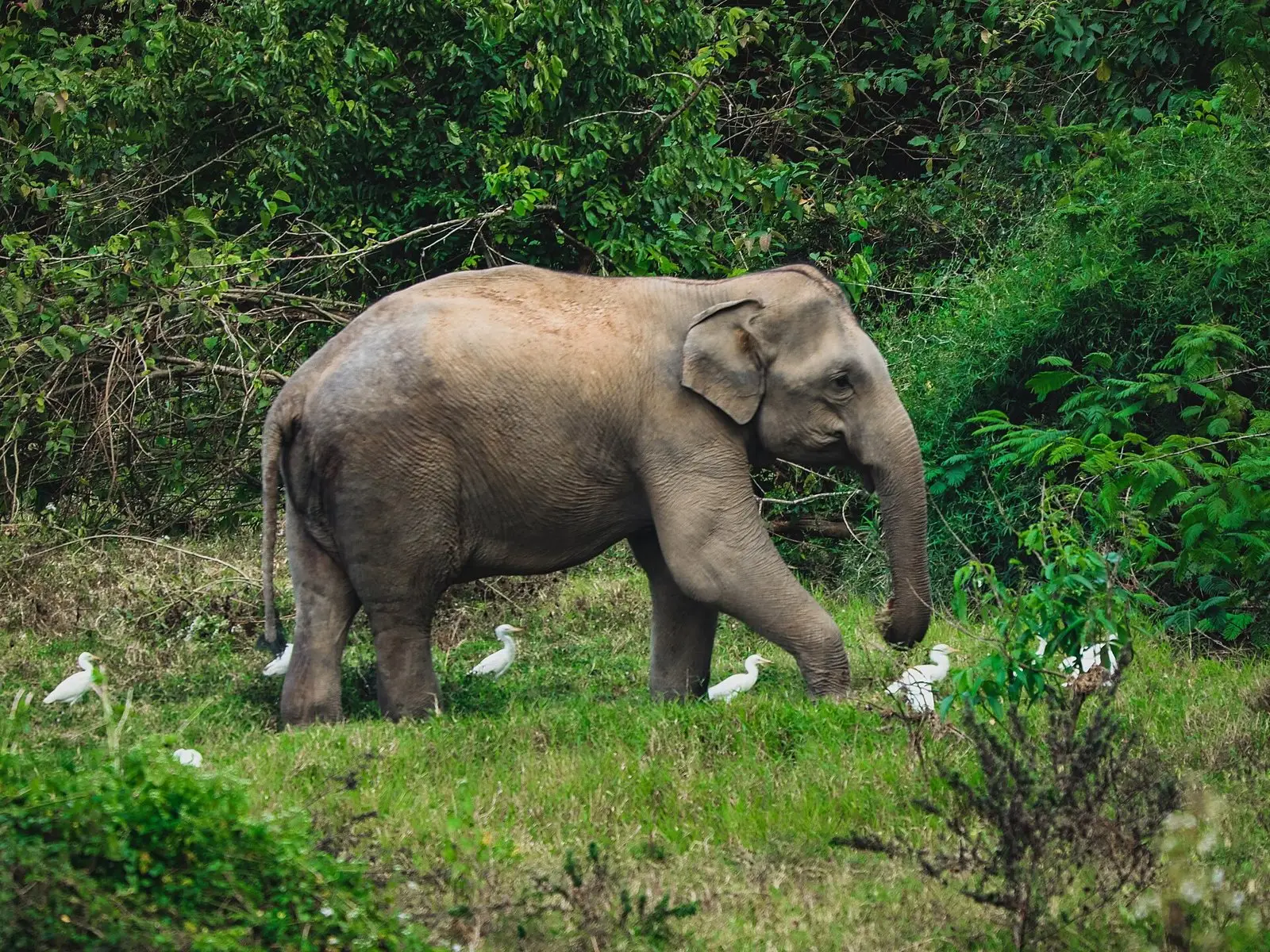
Wild herds on open grassland, seen from a community-run pickup.
On this page
Kui Buri wild elephants come out onto open grassland almost every day. Each afternoon, open pickups leave the Huai Luek ranger station in Kui Buri National Park, Prachuap Khiri Khan, about 85 km from Hua Hin and 280 km from Bangkok, and drive out to grassland where elephants and gaur come to feed. You watch from the truck at a distance, with a local guide, and nobody touches, feeds or rides an animal.
At a glance
| Kui Buri National Park, Huai Luek wildlife area | |
|---|---|
| Where | Huai Luek ranger station, about 16 km north of the park headquarters, Kui Buri district, Prachuap Khiri Khan |
| Distance | About 85 km from Hua Hin, about 280 km from Bangkok |
| Viewing hours | 14:00 to 18:00 daily; arrive by 17:00 at the latest |
| Entry, foreign visitors | 200 baht adults, 100 baht children aged 3 to 14 |
| Entry, Thai visitors | 40 baht adults, 20 baht children; 30 baht per car |
| Safari truck with guide | 850 baht per truck for six people in the park’s last published rate (2022); Thai National Parks lists 1,200 baht per group in 2026 |
| Binoculars | 100 baht to hire |
| Park office | 032 510 453, 081 776 2410 |
| Local guides’ club | 085 266 1601 |
Confirm the truck price when you call: the two figures above are the most recent we could find.
How the safari works
Private cars stop at the visitor centre at Huai Luek, also known as ranger station Kor Ror 5. From there you hire a converted pickup with bench seats in the back, a driver and a guide from the local community. Trucks are arranged on arrival and cannot be booked in advance.
The route runs about 7.6 km into the wildlife area. According to Bangkok Biz News, the money paid for guides and trucks goes to villagers through the Kui Buri Conservation Wildlife Tourism Club, which also takes enquiries on 085 266 1601.
The trucks are open on top, so you can see in every direction, and they carry umbrellas for rain. A tour can end early if the group has already had good sightings.
Where the elephants are seen
The truck stops at four main viewing points:
- Pong Salad Dai: a salt lick where large herds come out most days, and where the park bans close-range viewing.
- Kor Ror 1 (Pa Yang): a ranger station on the route.
- Phu Yai Sai: a second wildlife viewpoint over open ground.
- The wildlife cliff viewpoint (Pha Chom Sat Pa): a high point looking over the grassland, where gaur are often seen.
How many you see changes day by day. On one December 2022 afternoon, the park counted 24 elephants on its 100-rai grass plot, 95 gaur at Salad Dai and eight more elephants at Phu Yai Sai.
What lives in Kui Buri
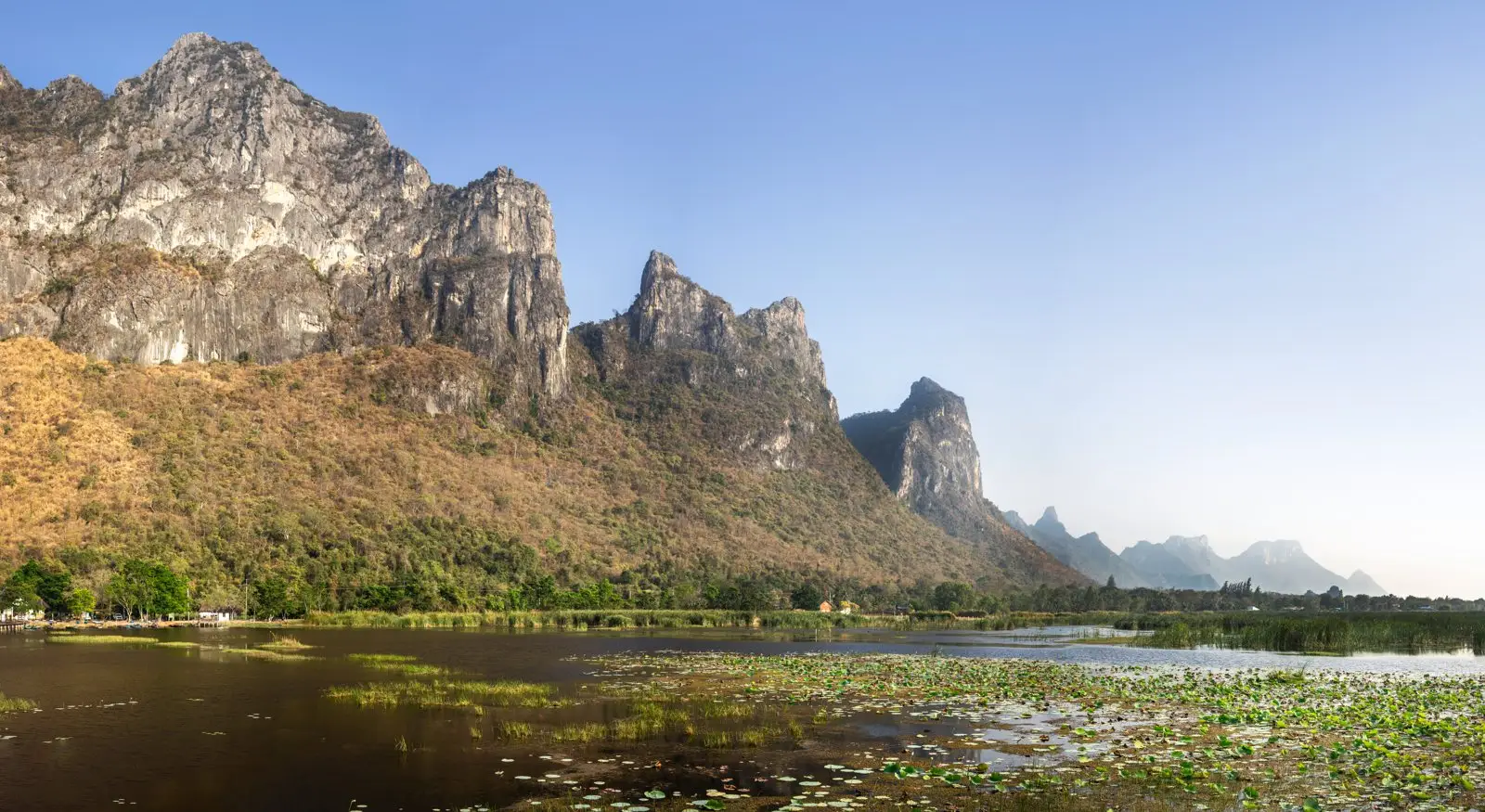
The park covers 605,625 rai of forest on the hills of Prachuap Khiri Khan. Its official page puts the elephant population at no fewer than 250 and the gaur at about 150 or more; a 2016 survey counted 237 elephants, and the park now reports more than 300.
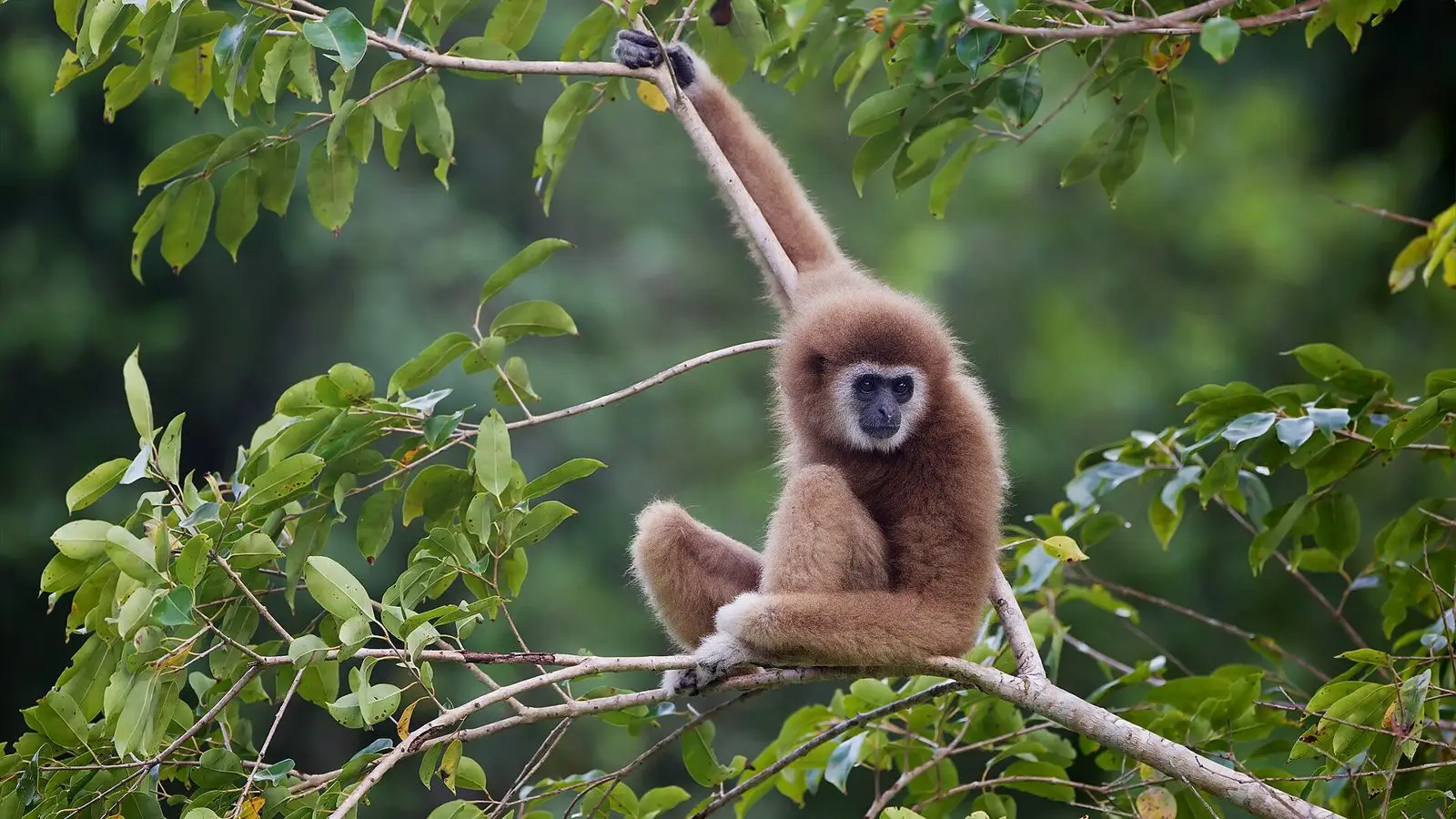
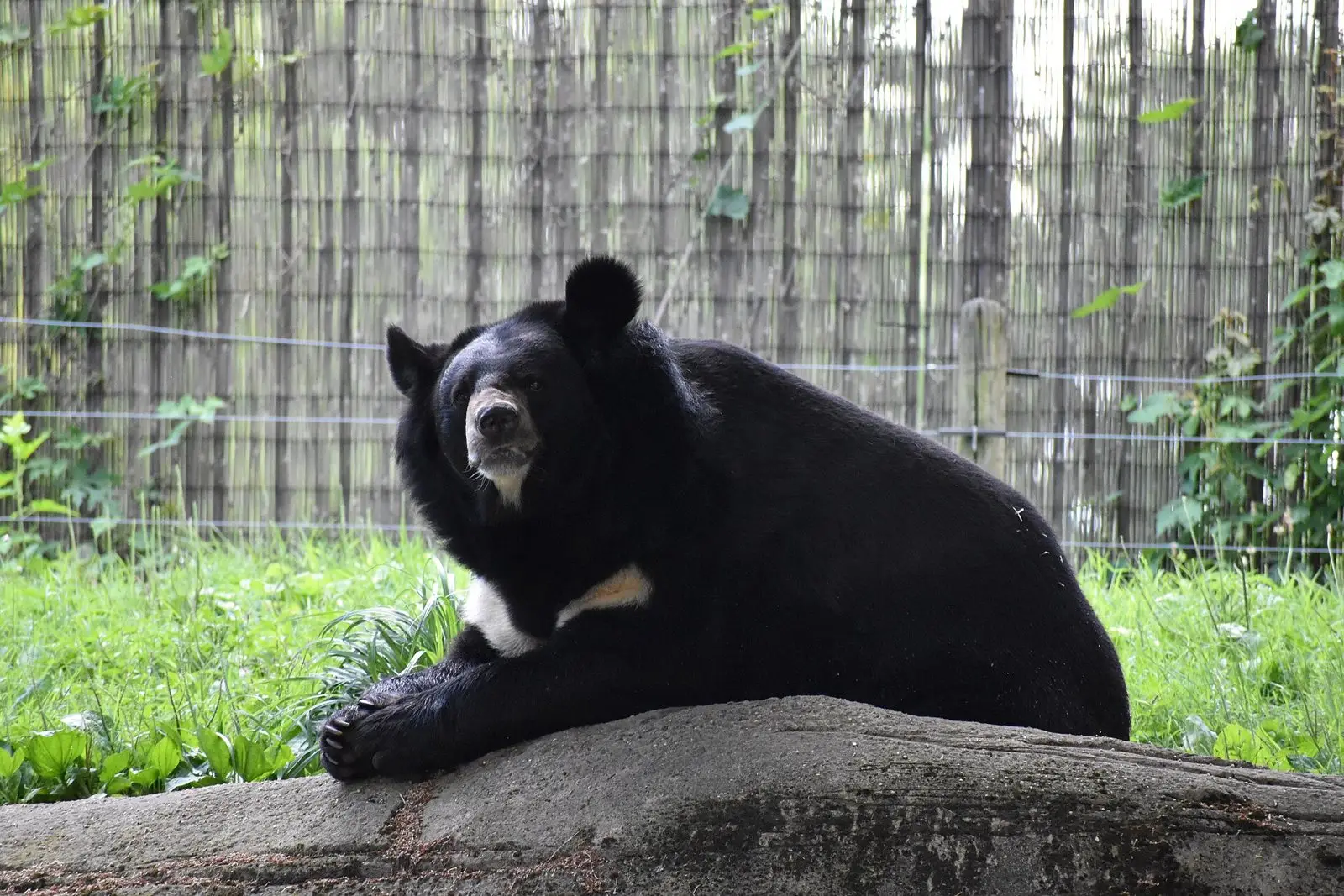
The same page lists banteng, serow, barking deer, sun bears, dusky langurs and gibbons. Tigers and leopards also live in the park: nine tigers have been recorded in surveys since 2006, though visitors almost never see them. Thai National Parks reports that black leopards have been seen near the elephant area every couple of months since 2025.
Bird watchers should look for the cattle egrets that walk beside the herds, picking off insects the elephants disturb. More than 260 bird species have been recorded in the park, hornbills among them.
Best time to go
Animals come out from about 15:00 to 15:30, so the late afternoon is the best time. If you drive from Hua Hin, leave at about 13:30 to reach Huai Luek by 15:00. Arriving after 16:30 leaves little time on the grassland.
The elephant area is open all year. The rains run from May to November and can make the trucks a wet ride, while December to April is drier. The park has closed for short periods to let the forest recover: in 2022 it shut from September to October and reopened on 1 November. Check the park’s Facebook page, Kui Buri National Park, before setting out.
Rules on the safari
The park sets the viewing hours at 14:00 to 18:00 and forbids entry outside them. Its other rules are short:
- Stay in or by the truck and keep your distance from the animals.
- Keep quiet, and switch off flash on cameras and phones.
- Never feed wildlife.
- Carry your entry-fee ticket while in the park; rangers may ask to see it.
Elephants here are fully wild. Listen to your guide, and if a herd crosses the track, let the driver decide when to move.
Getting there
There is no public transport to Huai Luek, so you need a car, a motorbike or a tour from Hua Hin. From Bangkok, drive south on Highway 4 (Phetkasem Road). The park’s directions to the headquarters leave Highway 4 near kilometre 295 for Route 3217 towards Yang Chum, about 3 km before the Kui Buri district office.
Navigation apps often send drivers to the headquarters rather than the wildlife area, which is about 16 km to the north. Search for Huai Luek or the Kui Buri elephant viewing point instead. The roads are paved all the way.
Many visitors combine the trip with Khao Sam Roi Yot National Park, whose forest borders Kui Buri. Our Khao Sam Roi Yot wildlife guide suggests leaving that park by about 14:00 to reach Kui Buri in time.
Food and staying overnight
There is no camping or lodging at the wildlife area. Thai National Parks reports a basic restaurant and a café by the Huai Luek visitor centre, but the park’s own page says there are no shops in the park, so bring water and snacks.
The headquarters has a campsite at 30 baht per person per night, with tents to hire from 405 baht, and one three-bedroom house at 1,800 baht a night. Book through the Department of National Parks at dnp.go.th/parkreserve. Most visitors stay in Hua Hin or Pranburi instead; families can plan around our Hua Hin with kids guide.
What to bring
- Binoculars, or hire a pair at the park for 100 baht.
- A camera with a zoom lens; the elephants are often hundreds of metres away.
- A rain jacket from May to November, and a hat and sunscreen in the dry months.
- Cash for the entry fee, the truck and a tip for the driver and guide, which is optional.
For elephants close to Bangkok, read our guide to elephant sanctuaries near Bangkok. For another wild herd, see the Khao Yai wildlife watching guide and the Kaeng Krachan wildlife guide, or browse more animals stories.
Sources
- Department of National Parks: Kui Buri National Park, address, contacts, wildlife and directions (Thai)
- Department of National Parks news: elephants and gaur draw visitors to Kui Buri, fees and truck rate, 13 December 2022 (Thai)
- ONEP: Kui Buri National Park sets wildlife-viewing rules and 14:00 to 18:00 hours, 26 November 2019 (Thai)
- Bangkok Biz News: watching wild elephants at Kui Buri, route and viewpoints (Thai)
- Thai National Parks: Kui Buri National Park, fees, safari pickups, hours and wildlife
Related stories