Khao Yai wildlife watching: elephants, gibbons and the night safari
Towers, trails and spotlights in Thailand's best-known forest park, three hours away.
On this page
Khao Yai wildlife watching is the easiest way to see wild elephants, gibbons and hornbills from Bangkok. Khao Yai National Park, in Pak Chong district of Nakhon Ratchasima, is about 170 to 200 km north-east of the city, and the cool season from October to February is its busiest time. Rangers run a night safari every evening, and guided trails lead to a grassland observation tower.
At a glance
| Khao Yai National Park | |
|---|---|
| Where | Pak Chong, Nakhon Ratchasima; gates at Pak Chong (north) and Noen Hom (south, Prachin Buri side) |
| Distance from Bangkok | About 170 km via Nakhon Nayok, about 200 km via Saraburi |
| Opening hours | 06:00 to 18:00; tourist information 08:30 to 16:30 |
| Entry, Thai visitors | 40 baht adults, 20 baht children under 14 |
| Entry, foreign visitors | 400 baht adults, 200 baht children at the Pak Chong and Noen Hom gates |
| Car | 30 baht |
| Night safari | 600 baht per vehicle, up to 8 people, 19:00 or 20:00 |
| Visitor Centre | 086 092 6529 |
| 24-hour park line | 086 092 6527 |
Tickets are valid for entry and exit on the same day and can be bought at the gate or in advance in the Department of National Parks (DNP) e-ticket app, QueQ.
What lives in Khao Yai
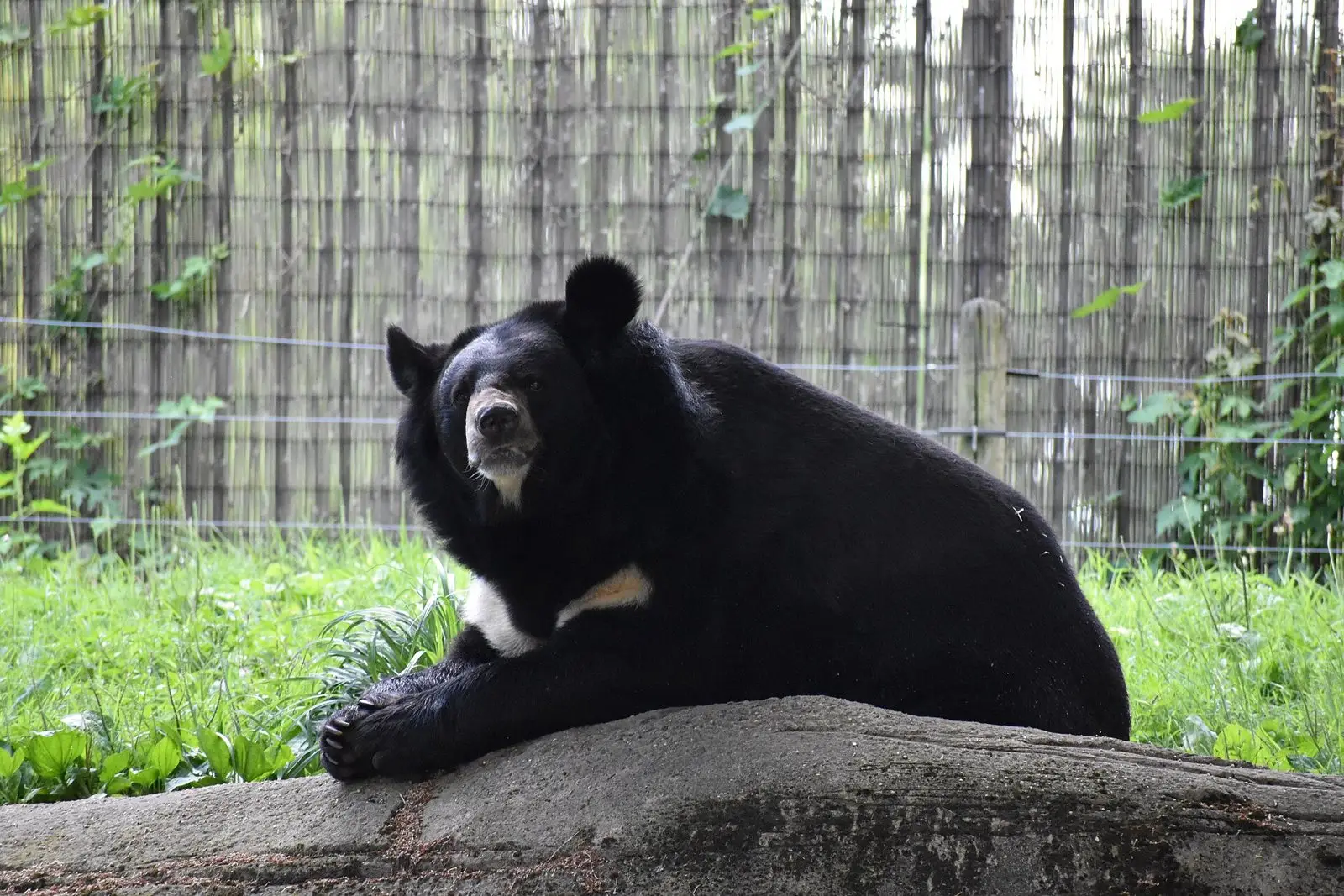
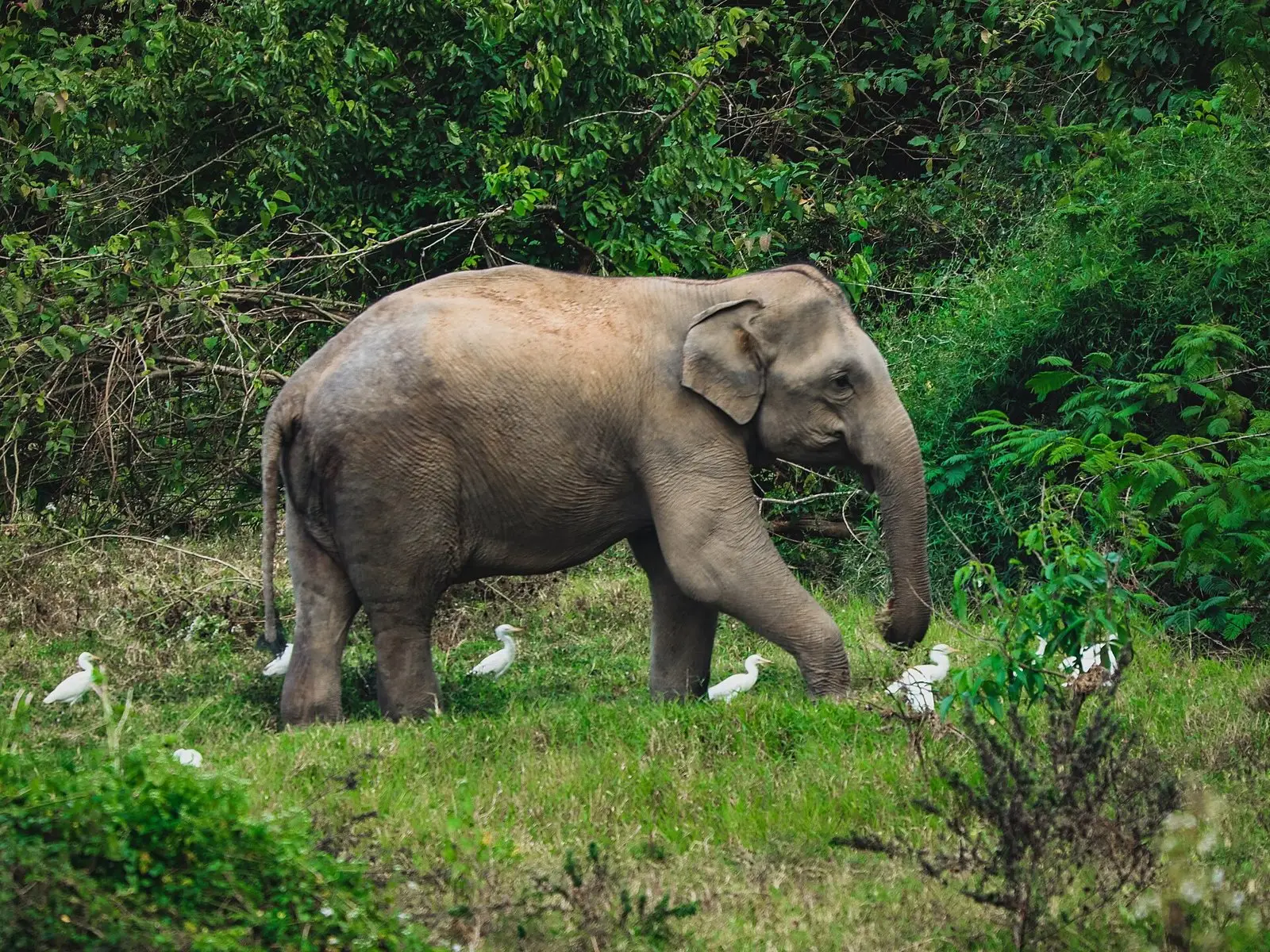
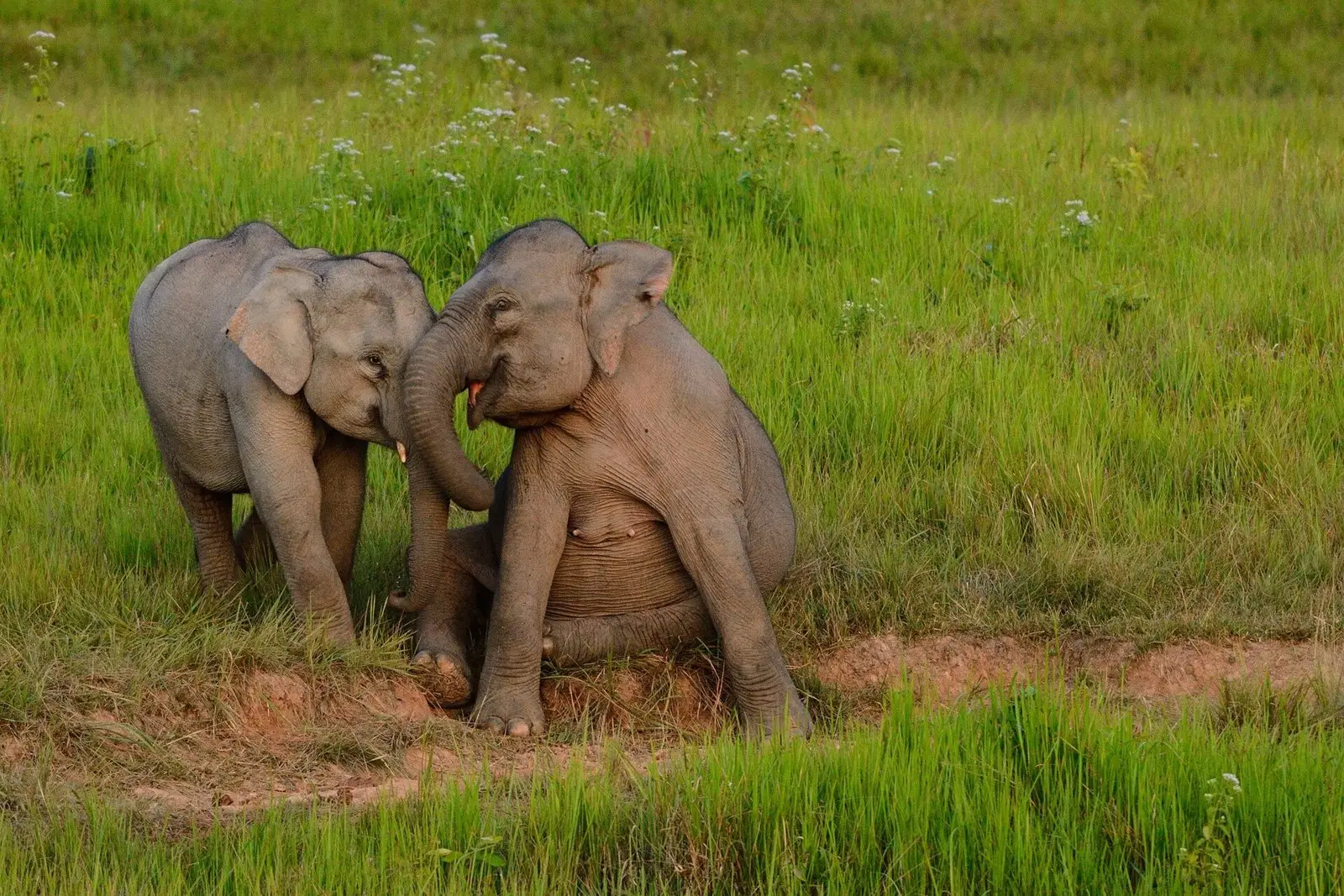
The park counts more than 70 mammal species. Its best-known residents are Asian elephants, estimated at 140 to 200 animals, which graze on grasslands, visit salt licks and often walk along the roads. Herds of gaur live throughout the park, more often in the east.
Sambar deer, the largest deer in South-East Asia, and the smaller barking deer are the animals visitors see most. Both graze at forest-edge grasslands by day and by night. Northern pig-tailed macaques spend much of their time on the ground.
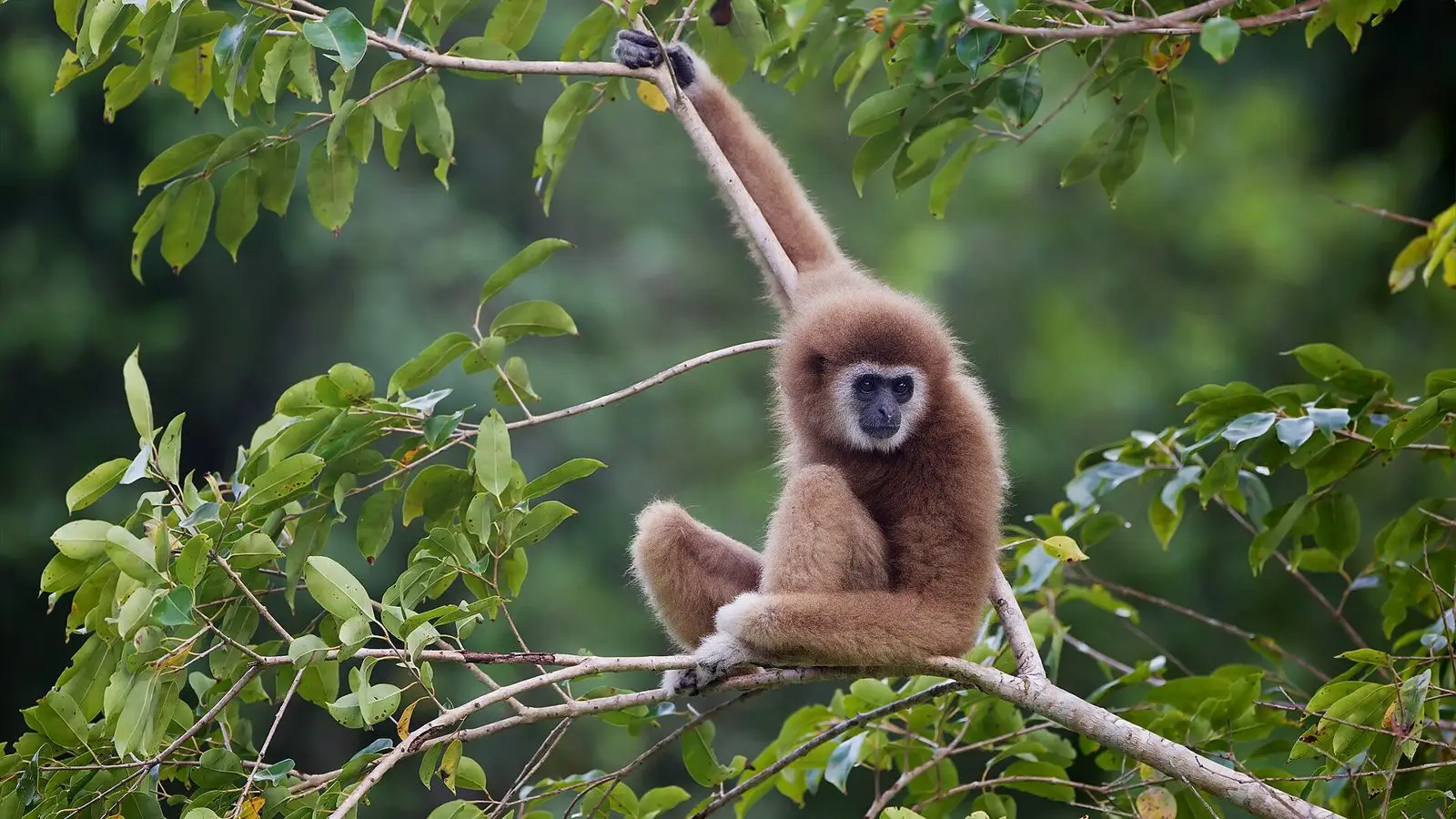
Two gibbon species live here: the white-handed gibbon and the pileated gibbon. The park says Khao Yai is the only known place where the two meet, and the white-handed gibbons call at sunrise. Over 280 bird species have been recorded, among them four hornbills: the great, oriental pied, wreathed and Austen’s brown hornbill.
Khao Yai became an ASEAN Heritage Park in 1984. In 2005 UNESCO inscribed the Dong Phayayen-Khao Yai Forest Complex, which includes the park, as a World Heritage site.
Nong Phak Chi observation tower
The Nong Phak Chi observation tower stands over a pond that wildlife use for water, about 3 km from the Visitor Centre. Park at the 35 km milestone on Thanarat Road and walk about 1 km across grassland to the tower, which is about 20 m tall and has a hide.
Sambar deer, barking deer and wild boar are common here. Elephants, gaur and dhole, the wild dog, come less often. The park keeps salt licks within sight of the tower to give plant-eaters minerals.
Sai Sorn Reservoir
Sai Sorn Reservoir, once called Mo Sing To, lies beside the road between the park office and Pha Kluai Mai. Its grassland was farmland until villagers were moved out, and elephant herds may come to graze, drink or use the salt licks. Birds, gibbons, deer and dhole are also seen.
Cars and motorbikes are not allowed down to the water. Nature Trail 7, the Thai-American Friendship Trail, is a 2 km loop from the reservoir ridge where the park lists Siamese firebacks, silver pheasants, gibbons and hornbills.
The Khao Yai night safari
The Khao Yai night safari is the only way to look for animals after dark: private cars may not take visitors out to watch wildlife at night, and walking into the forest at night without a ranger carries a 500-baht fine.
Rangers drive a high-bed pickup with a guide and a powerful spotlight on a route of about 10 km. There are two rounds, 19:00 to 20:00 and 20:00 to 21:00, at 600 baht per vehicle for up to eight people. Book a slot at the Visitor Centre desk and pay before 18:00 on the day; pickup from campsites and lodges can be arranged.
The park lists sambar deer, Malayan porcupines, civets, wild elephants, owls and nightjars as animals seen on the drive. Stay quiet, use only the guide’s light, take no flash photographs and bring something warm, as nights in the forest are cold. Questions go to 086 092 6529 or 081 063 9241.
Walking trails for wildlife
The park has seven marked nature trails. Three can be walked without a guide; the others need one, arranged at the Visitor Centre, where every walker registers first. Trails start between 08:00 and 14:00.
| Trail | Length | Guide | Wildlife the park lists |
|---|---|---|---|
| 1. Visitor Centre to Kong Kaew Waterfall | 1.2 km loop | Not needed | Both gibbon species, birds |
| 2. Pha Kluai Mai to Haew Suwat Waterfall | 3 km one way | Not needed | Otters, water dragons, gibbons, hornbills |
| 3. Km 33 to Nong Phak Chi | 4.2 km one way | Required | Elephants, gaur, gibbons, hornbills |
| 4. Dong Tiw to Sai Sorn Reservoir | 2.7 km one way | Required | White-handed gibbons, barbets, bulbuls |
| 5. Dong Tiw to Nong Phak Chi | 5.5 km one way | Required | Elephants, bears, hornbills, gaur |
| 6. Visitor Centre to Haew Suwat Waterfall | 8 km one way | Required | Elephants, gibbons, black bears, hornbills |
| 7. Thai-American Friendship Trail | 2 km loop | Not needed | Firebacks, pheasants, gibbons, hornbills |
Trail 6 starts before 10:00 and closes each year from 1 July to 31 August. Trail 5 crosses the Lam Takhong stream, which may be impassable in the rains, when the park also advises leech socks.
Birdwatching spots
Morning and late afternoon are best for birds. The park names the Visitor Centre, Pha Kluai Mai, Nong Phak Chi, Mo Boonsong camp, Haew Suwat Waterfall, Khao Khiao and the nature trails as good places to look.
On Khao Khiao, the road climbs to viewpoints at about 900 and 1,290 metres. In the cool months, migrants such as grey wagtails, Siberian thrushes and silver orioles arrive there from Siberia and southern China. Wear dark green, grey or brown, and bring binoculars. For birding closer to home, see our birdwatching in Bangkok guide.
If you meet elephants on the road
Elephants on the roads are the park’s main safety issue. In February 2026 a visitor out exercising at dawn near a ranger station inside the park area was killed by a wild elephant, and the park stepped up patrols and warnings, The Nation reported. Report a risky animal to the park’s 24-hour line.
The park’s advice for drivers:
- Stop at least 30 metres away. If the elephant comes closer, reverse slowly.
- Keep the engine running and never switch it off near elephants.
- Do not honk, shout, chase it off or use flash.
- Wait until it has left the road before driving on, and do not park to take close-up photos.
- At night, dip the headlights and do not use the indicators.
- A lone elephant may have a herd nearby; in a queue of cars, reverse when the car in front does.
Ears flapping and a swinging tail mean a calm elephant. Ears spread out and a still tail or trunk mean it is unsettled, and a cow with a calf may charge even from far off.
Park rules
Feeding or touching wild animals is not allowed, and neither are pets, drones without a permit, bonfires or alcohol. Take all rubbish home and keep noise down. On trails, never walk alone, stay on the path and watch animals from a distance.
Getting there from Bangkok
By car, the park recommends Motorway 6 from Bang Pa-in to the Pak Chong toll plaza, then Highway 2090 (Thanarat Road) to the north gate. The Noen Hom gate is reached through Nakhon Nayok on Highway 33 and Highway 3077.
North Eastern Line trains stop at Pak Chong; check times on the State Railway of Thailand timetable. Coaches to Nakhon Ratchasima and minivans to Pak Chong also stop in the town. From Pak Chong, a bus runs to the north gate every 30 minutes from 06:00 to 17:00 for 15 baht, but the park headquarters is another 15 km on, so plan for a car or taxi inside the park.
More animals near Bangkok
To stay overnight with children, see our weekend getaways from Bangkok with kids and camping near Bangkok guides. For elephants in a sanctuary setting, read our elephant sanctuaries near Bangkok guide, or browse the Animals section.
Sources
- Department of National Parks: Khao Yai National Park (Thai)
- Khao Yai National Park: mammals
- Khao Yai National Park: places to go, including Nong Phak Chi tower and Sai Sorn Reservoir
- Khao Yai National Park: night safari
- Khao Yai National Park: nature trails
- Khao Yai National Park: preparing for a trek and code of conduct
- Khao Yai National Park: birdwatching
- Khao Yai National Park: visitor safety and regulations, if you meet elephants
- Khao Yai National Park: entry fees and opening hours
- Khao Yai National Park: getting here
- Khao Yai National Park: World Heritage and ASEAN Heritage Park
- The Nation: wild elephant attack at Khao Yai, park steps up patrols (February 2026)