Khao Sam Roi Yot wildlife guide: dusky langurs, marsh birds and boats
Limestone peaks, Thailand's largest freshwater marsh and langurs by the beach.
On this page
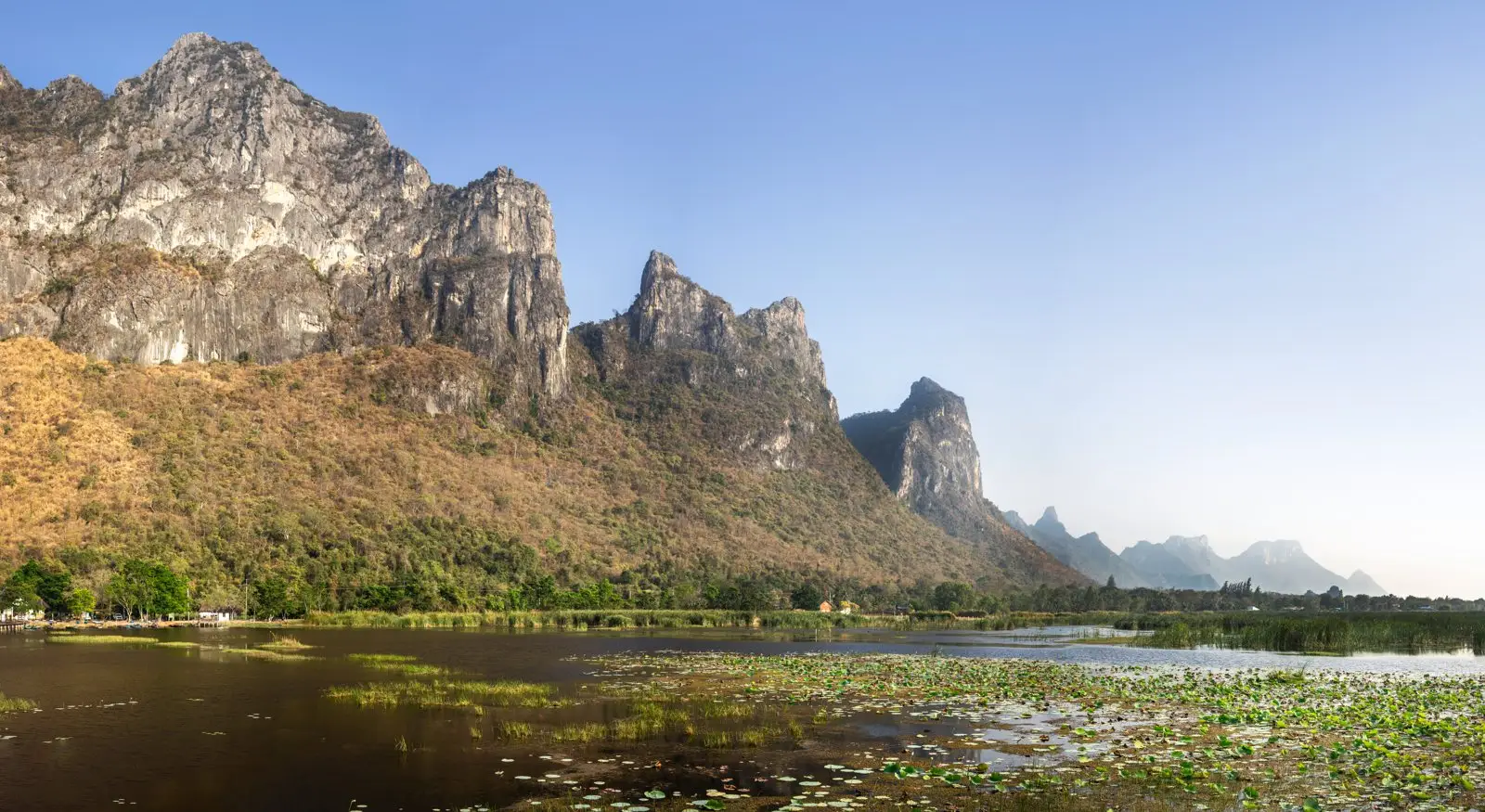
Khao Sam Roi Yot wildlife watching takes you to a coastal national park in Prachuap Khiri Khan, about 255 km south of Bangkok and roughly 60 km below Hua Hin. Limestone peaks drop straight to the Gulf of Thailand, dusky langurs feed in the trees behind Laem Sala Beach, and the park’s freshwater marsh draws waterbirds through the cool season. Declared on 28 June 1966, it was Thailand’s first marine national park.
At a glance
| Khao Sam Roi Yot National Park | |
|---|---|
| Where | Sam Roi Yot and Kui Buri districts, Prachuap Khiri Khan |
| Distance | About 255 km from Bangkok, nearly three hours by car; about 60 km south of Hua Hin |
| Area | About 98 square km; freshwater marsh covers nearly 37% of the park |
| Hours | Attractions open from 08:00 and close around 16:00 to 16:30 |
| Entry, foreign visitors | 200 baht adults, 100 baht children aged 3 to 14 |
| Entry, Thai visitors | 40 baht adults, 20 baht children |
| Park office | 032 821 568 |
| Best for birds | The cool season, with migrant waterbirds at their peak around January and February |
Entry fees apply at the main attractions; driving through the park to villages and hotels is free.
What lives in Khao Sam Roi Yot
The park’s species list counts 17 mammals, 337 birds and 26 reptiles. For a park of about 98 square km, that is a wide spread, because it packs limestone hills, beaches, mangroves, mudflats and marsh into one strip of coast.
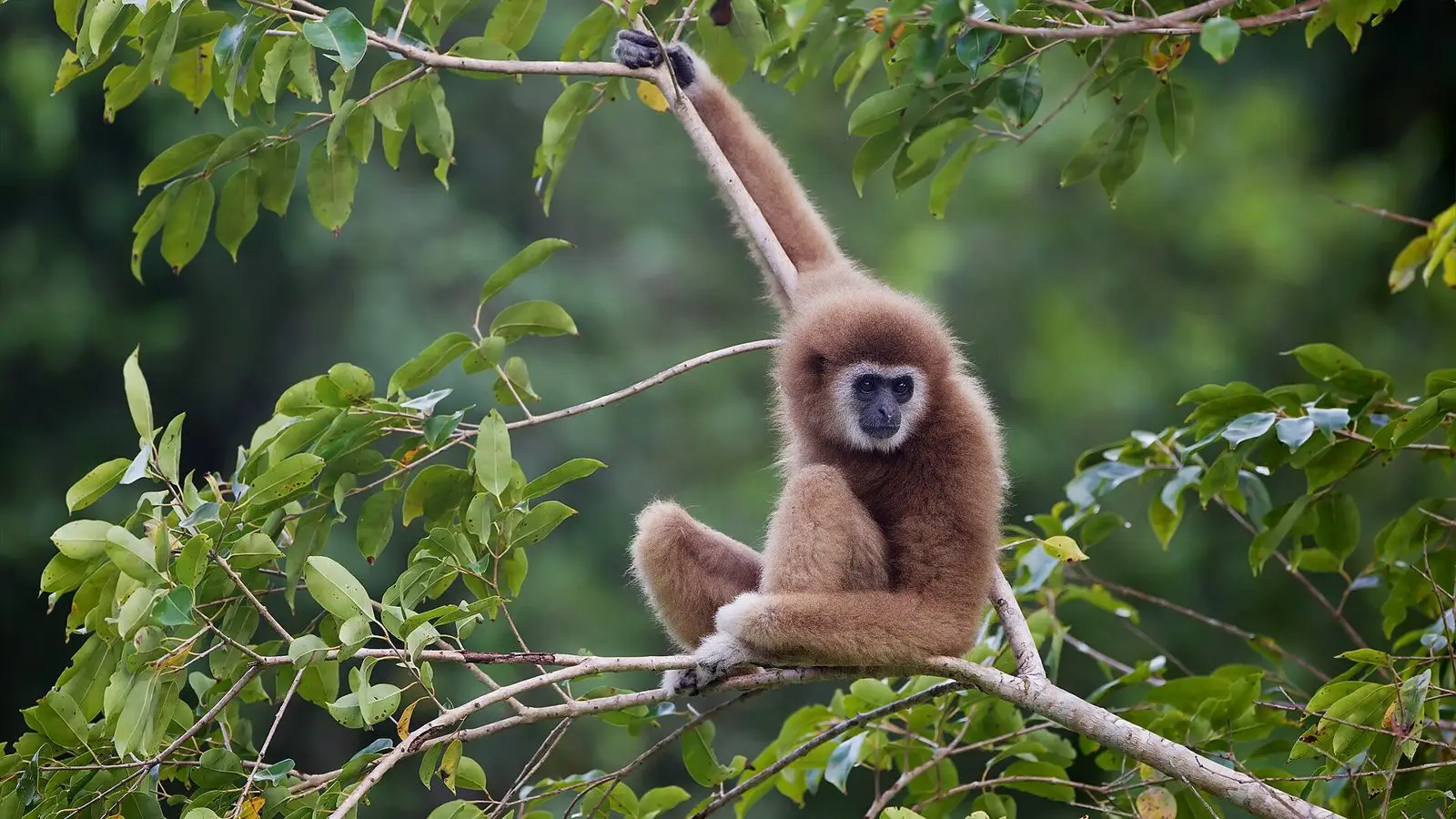
- Dusky langurs (dusky leaf monkeys): grey with pale rings around the eyes; seen most days around Laem Sala Beach.
- Long-tailed macaques: common near the headquarters and Khao Daeng.
- Serows: goat-like and protected under Thai law, they live on the limestone cliffs. The park chief photographed one on a cliff face during a field inspection, and the photo was shared on 30 April 2026.
- Fishing cats, Malayan porcupines and slow lorises: on the list, but rarely seen by day visitors.
- Geckos found nowhere else: the Sam Roi Yot bent-toed gecko and the Sam Roi Yot leaf-toed gecko are known only from the park.
The park’s forest borders Kui Buri National Park, so animals can move between the two.
Dusky langurs at Laem Sala Beach
The dusky langur is the animal most visitors come to see. Laem Sala is a small bay about 16 km north-east of the headquarters, and the langurs can be seen there on most days in the trees behind the sand.
You reach Laem Sala by a 350-metre trail over the headland, or by boat; a round trip costs 400 baht per boat for up to six people. From the beach, a steep 430-metre path climbs to Phraya Nakhon Cave, a pair of sinkholes with a pavilion built in 1890. The trail can be slippery after rain.
Keep a few metres back, stay quiet and never feed the monkeys or macaques: feeding animals is banned throughout the park. Keep bags and food zipped away from the macaques around the headquarters.
Birdwatching at Thung Sam Roi Yot marsh
Thung Sam Roi Yot, in the north-west corner of the park, is Thailand’s largest freshwater marsh and a Ramsar wetland of international importance. Its reed beds are the most important known wintering site in Thailand for the Manchurian reed warbler, a globally threatened species, and the coast holds more than 1% of the Asian population of the Malaysian plover.
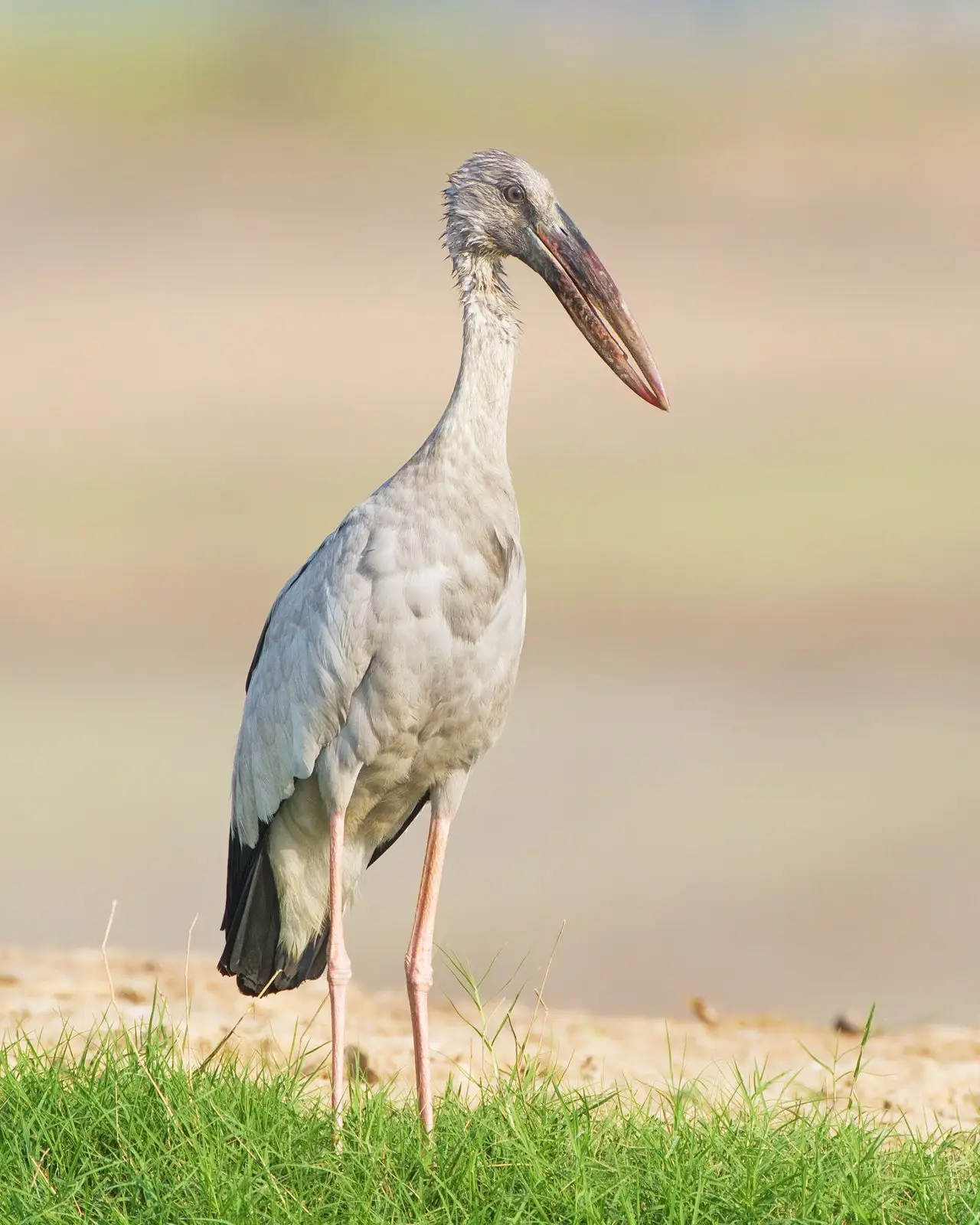
The easiest way in is the Bueng Bua boardwalk, about 1 km long over open water, lilies and reeds below the limestone ridge. Look for purple herons, painted storks and kingfishers; the park list has seven kingfisher species, from the tiny Oriental dwarf kingfisher to the stork-billed kingfisher.
About half the birds recorded in the park are migrants, and waterbirds on the East Asian-Australasian flyway are best seen around January and February. Early morning is the best time on the boardwalk, before the heat and the wind pick up. For birding closer to the city, see our birdwatching in Bangkok guide.
Boats on the Khao Daeng canal
Khlong Khao Daeng winds from the village of Khao Daeng through mangroves to the sea. A boat trip costs 500 baht per group of up to six people, takes about an hour and is arranged on the spot; the late afternoon light is the best time to go. Watch the mangrove banks for herons and kingfishers.
Further south, at Ban Ko Phai and Ko Mon in Rai Mai subdistrict, the park runs boats to Khao Jub Kan, two rocks that look like a kissing couple at sunset. The trip takes about two hours and costs 600 baht per boat for up to four people, between 07:00 and 18:30. Life jackets must be worn whenever the boat is moving.
Above the canal, the Khao Daeng viewpoint is a 157-metre hill with a 360-degree view over the marsh, the mangroves and the coast. The trailhead is about 700 metres from the headquarters.
Dolphins offshore
Dolphins are regularly seen off the park’s coast, and hotels in the area arrange boat trips to look for them. Sightings are not guaranteed. Nearer Bangkok, Irrawaddy dolphins feed at the Bang Pakong river mouth in the cool season; our dolphin watching near Bangkok guide has the details.
Staying overnight
Staying overnight gives you the early morning on the boardwalk and the late afternoon at Laem Sala. The park has tents at Laem Sala and Sam Phraya beaches, at 150 baht for two people, 225 baht for three and 300 baht for four. Bungalows at the headquarters cost 1,000 or 1,400 baht for five people, and at Laem Sala from 1,600 baht for six.
Book through the Department of National Parks’ reservation site at dnp.go.th/parkreserve. Sam Phraya Beach has a restaurant open from 07:00 to 21:00 on weekdays and until 22:00 at weekends and on holidays.
Getting there and getting around
No public transport runs into the park. From Bangkok, drive south past Hua Hin to Pranburi, where Route 3168 towards Pak Nam Pran leads to the main park road. The northern entrance is about 63 km from Hua Hin.
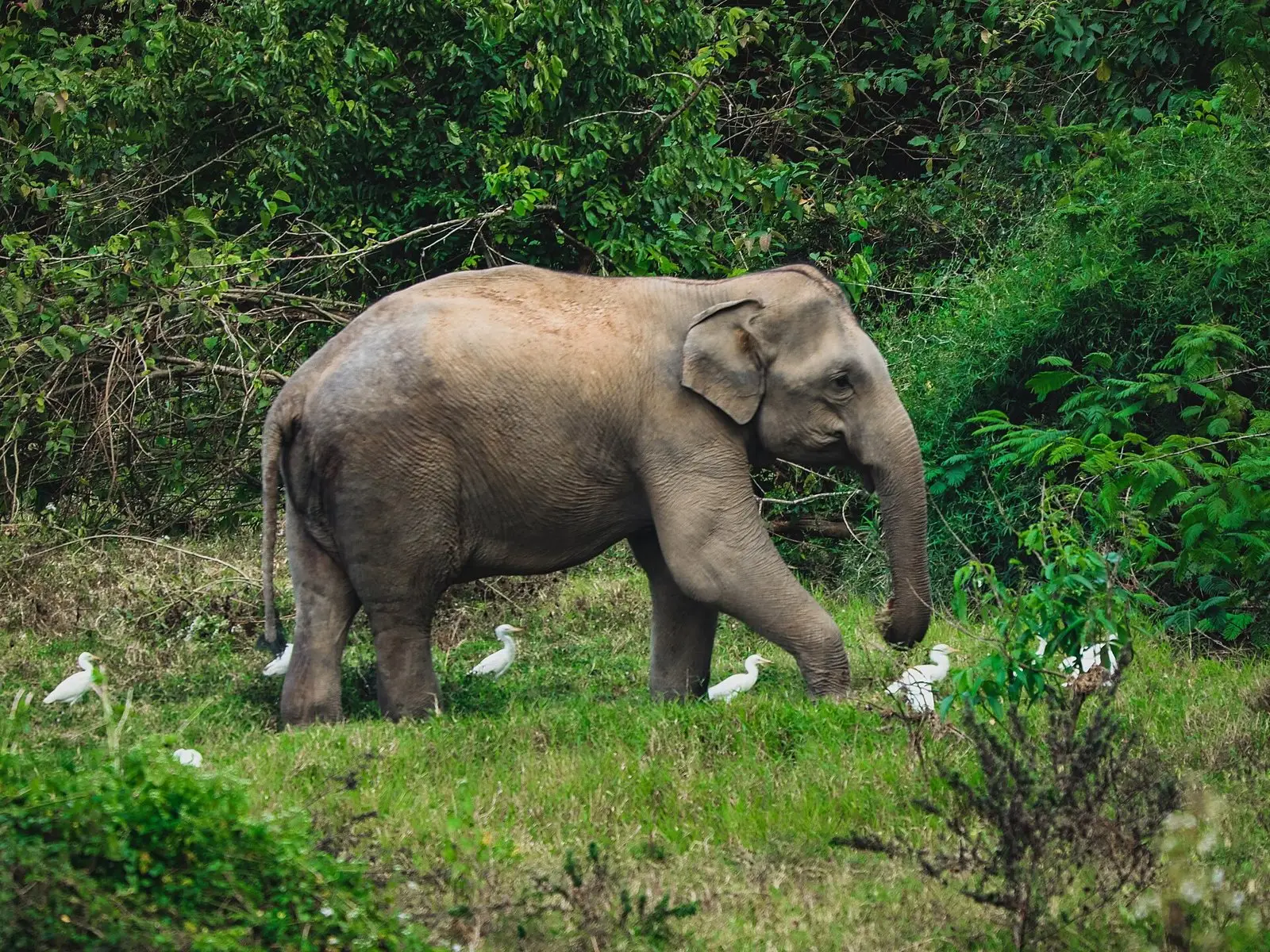
The sights are too far apart to walk between, so you need a car, motorbike, bicycle or a hired taxi. If you also plan to visit Kui Buri National Park for its wild elephants, leave Sam Roi Yot by about 14:00; Kui Buri charges its own entry fee.
Planning your visit
- When: December to April is the drier season and the easiest for walking and birding. The rains run from May to November and are heaviest from September to November.
- What to bring: binoculars, insect repellent, water, a hat and shoes with grip for the cave trail.
- Rules: no feeding animals, no pets and no damage to the wetland, under the National Parks Act of 2019.
- Contact: the park office on 032 821 568.
Families heading this way can pair the park with a few days in Hua Hin; see our Hua Hin with kids guide. For other parks within reach of Bangkok, read our Kaeng Krachan wildlife guide and the Khao Yai wildlife watching guide, or browse more animals stories.
Sources
- Thai National Parks: Khao Sam Roi Yot National Park, fees, attractions, boats and wildlife
- Thai National Parks: wildlife species list for Khao Sam Roi Yot
- Bangkok Biz News: Khao Jub Kan sunset boat trip, fees and park rules (Thai)
- ONEP: serow photographed on a cliff in Khao Sam Roi Yot National Park, 3 May 2026 (Thai)
- ONEP: Khao Sam Roi Yot declared Thailand's first marine national park on 28 June 1966 (Thai)
- Key Biodiversity Areas: Khao Sam Roi Yot factsheet (Manchurian reed warbler, Malaysian plover)
- Rough Guides: Khao Sam Roi Yot National Park, access from Pranburi and Hua Hin
- Hua Hin Today: rare serow spotted at Khao Sam Roi Yot National Park