Thale Noi, Phatthalung: waterbirds, boat trips and red lotus season
Thailand's first non-hunting area, best seen from a longtail boat at dawn
On this page
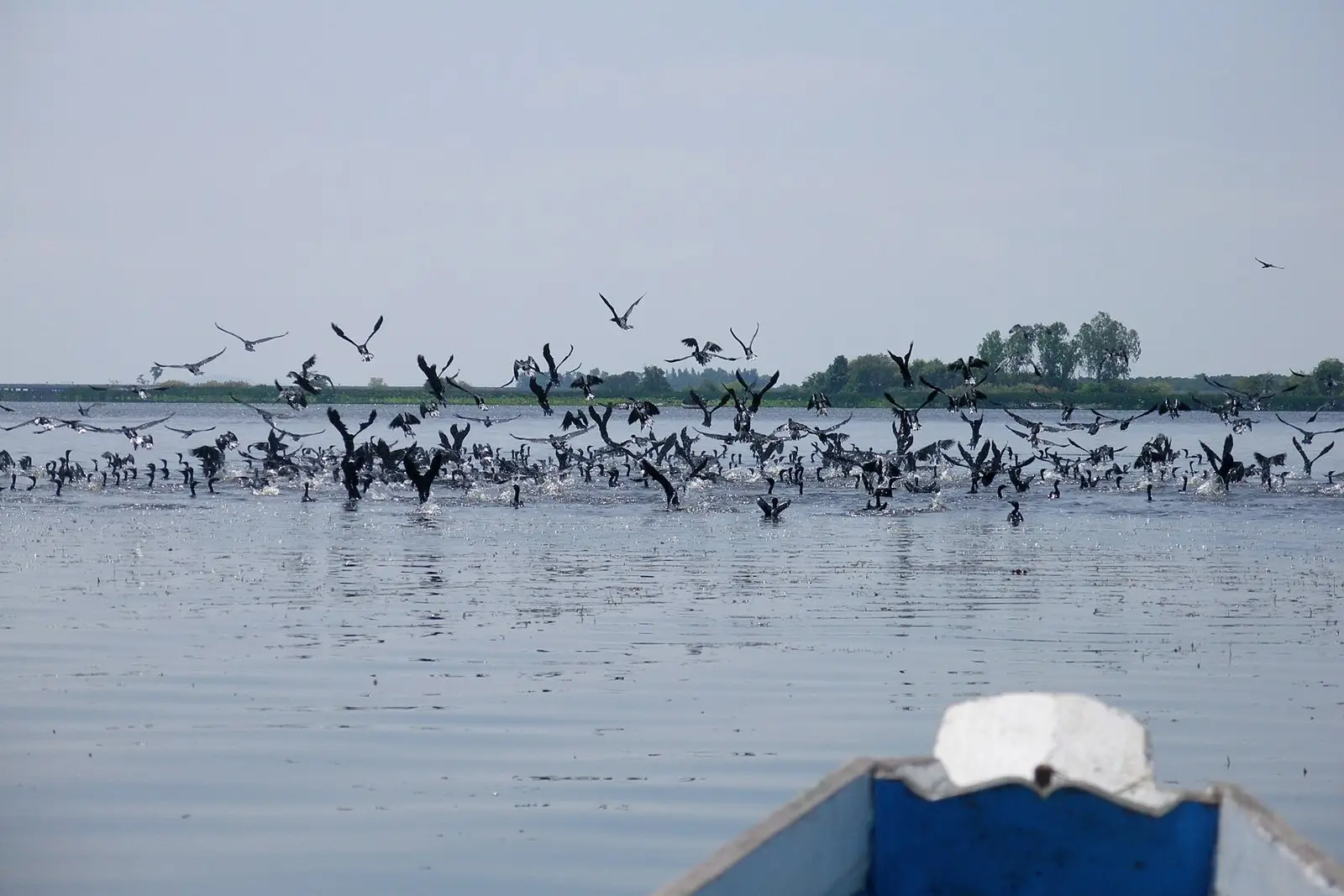
Thale Noi, a shallow freshwater lake in Khuan Khanun district of Phatthalung in southern Thailand, is one of the country’s biggest waterbird sites, with more than 280 species recorded. Migrant birds start to arrive in November and stay until about March, and the classic way to see them is a longtail boat trip from the pier at sunrise. This guide covers what you can see, when to go, the boats, the red lotus season and how to get there.
At a glance
| Thale Noi | |
|---|---|
| Where | Moo 1, Khuan Khanun-Thale Noi Road, Phanang Tung, Khuan Khanun, Phatthalung 93150 |
| Managed by | Thale Noi Non-Hunting Area, Department of National Parks |
| Entry | Free, according to Thai Holiday Guide |
| Office hours | 08:30-16:30 daily; sunrise boats leave earlier |
| Migrant birds | About November to March; Thailand For Visitors gives January to April as the peak |
| Red lotus | About February to April, best at dawn |
| Boats | Community longtail boats from the pier; prices to be confirmed with the boat operators |
| Contact | 0 7468 5230 |
What Thale Noi is
The lake is about 6 km long, 5 km wide and on average only 1.25 m deep, according to Thai Holiday Guide. It sits at the northern end of the Songkhla Lake basin, where Phatthalung, Songkhla and Nakhon Si Thammarat meet.
Thale Noi was declared Thailand’s first non-hunting area in 1975. Its Kuan Ki Sian swamp became the country’s first Wetland of International Importance under the Ramsar Convention in 1998, listed as Ramsar site no. 948.
Phatthalung Governor Sujin Wachakit toured the lake by boat on 21 April 2026 to promote it as an ecotourism destination built on community participation, Daily News reported. He described a wetland of more than 17,500 rai with more than 280 waterbird species, red lotus fields and free-roaming water buffalo.
Which birds you can see
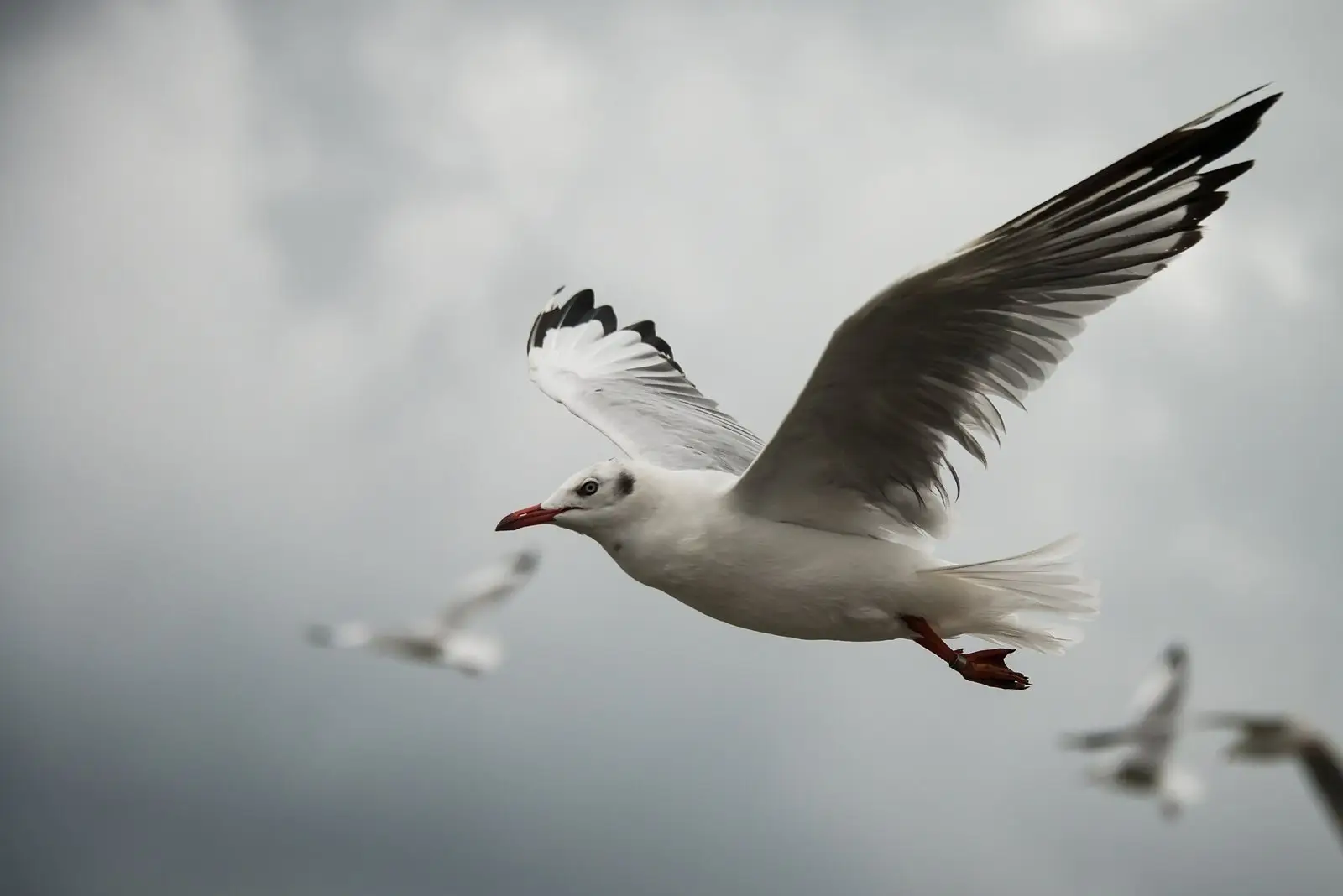
The Designated Areas for Sustainable Tourism Administration (DASTA) puts the total at more than 285 resident and migratory species. Thai Holiday Guide lists painted storks, black-headed ibis, grey and purple herons, little cormorants and black-crowned night herons among them.
The bird most visitors photograph is the purple swamphen, with its blue-purple body, red bill and long red legs. It feeds in small groups and tolerates boats, so it can be watched at close range, Bangkok Biz News says. Pheasant-tailed jacanas walk on the lily pads nearby.
The main nesting grounds are at Ao Mo and Khuan Thale Mong, and the Sala Nang Riam viewpoint looks out over the open water. Boats keep their distance from nesting colonies; ask the boatman not to go closer than the birds allow.
When to go
Migrant waterfowl are present from about November to March and thin out as the hot season begins, according to Thai Holiday Guide. Thailand For Visitors gives January to April as the peak, with up to 100,000 birds on the lake, and calls October to December the low season.
Mornings are best for both birds and light. The lake has little shade, so bring a hat, sunscreen and water, plus binoculars if you have them.
This week, plan around the weather. The Thai Meteorological Department has warned of heavy to very heavy rain in Phatthalung and the rest of the lower south from 18 to 22 November; see our southern Thailand rain warning and check the latest forecast before you book.
Thale Noi boat trip
Trips run in local longtail boats operated by community boat owners from the pier in front of the non-hunting area office, DASTA says. Prices are set by the operators and quoted per boat, not per person; they differ between operators and seasons, so agree the price, route and length of the trip before you leave the pier.
A sunrise trip usually starts around 05:00 to 05:30 and lasts two to three hours, according to It’s Better in Thailand. Shorter daytime trips of about 90 minutes are also offered.
Thale Noi red lotus and water buffalo
From about February to April, red lotus covers large parts of the lake, and it is at its best in the first hour after dawn. Outside that season the lily fields are thinner, but the birds are still there.
The lake’s swamp buffalo, which graze and swim between the islands, are part of a farming system DASTA describes as Thailand’s first Globally Important Agricultural Heritage System. They are working animals that belong to local herders, so watch them from the boat and do not approach on foot.
How to get there
Trains on the southern line from Bangkok stop at Phatthalung station, a trip of more than 12 hours. The nearest airports are Trang, about 60 km away, and Hat Yai, about 100 km away, according to It’s Better in Thailand.
From Phatthalung town, Trang or Hat Yai, the simplest way to reach the pier at Thale Noi is a hired car or taxi. If you want a sunrise boat, stay the night before in Phatthalung or at one of the homestays near the lake.
Visiting responsibly
Thale Noi is a protected area, so hunting, catching or disturbing wildlife is not allowed. Do not feed the birds, keep voices low near nesting colonies and take all rubbish back with you. Drones may need permission from the non-hunting area office; ask before flying.
More birdwatching
For another big freshwater lake closer to Bangkok, read our Bueng Boraphet birdwatching guide. Our birdwatching in Bangkok guide covers city parks, the Bang Pu gulls and the shorebirds of Pak Thale. Heading further south? See our Songkhla Zoo guide, and find more in the Animals section.
Sources
- DASTA: Thale Noi, wetlands and waterfowl in Phatthalung (April 2024)
- Daily News: Phatthalung governor tours Thale Noi to promote ecotourism (22 April 2026, Thai)
- Bangkok Biz News: purple swamphens at Thale Noi Waterbird Park (Thai)
- Thai Holiday Guide: Thale Noi, address, hours, boats and bird season (updated July 2026)
- Thailand For Visitors: Thale Noi, peak bird season
- It's Better in Thailand: exploring the Thale Noi wetlands, sunrise tours and transport
- Wikipedia: Thale Noi Non-Hunting Area, history and Ramsar listing